 By Miles Sinclair
Updated November 2026
A mid century modern table setting relies on clean lines, warm wood tones, and a restrained palette of earth colors with bright accents. In this guide, you will learn how to choose your base pieces, layer the place settings, and add the small details, such as a sculptural centerpiece and simple glassware, that give the look its character. Follow the steps below and you can set a table that feels both retro and current for any holiday gathering.
Understand the Look Before You Shop or Set
Mid century modern design took shape roughly between the late 1940s and the 1960s, and it shows up at the table as function-first simplicity. Think Scandinavian and American modernist influences: tapered legs, organic shapes, geometric patterns used sparingly, and materials such as teak, walnut, ceramic, and glass. Unlike formal dining, which favors symmetry and heavy ornament, this style leans on negative space and a few confident statements.
Before you set anything, decide on three anchors:
- A base color: cream, oatmeal, warm white, or muted sage works well as a tablecloth or runner.
- A wood or natural tone: walnut, teak, or light oak on the table, placemats, or serving boards.
- One accent color: mustard, burnt orange, teal, or rust. Use it in two or three places only, such as napkins, a vase, and candles.
Keeping the palette to four or five colors total is what makes the table read as intentional rather than busy.
Step 1: Choose the Table Base
The table itself sets the tone. A round or oval top suits the style well, and a pedestal or tapered-leg base reinforces the era. If you are working with a rectangular table, a runner down the center softens the edges. For a sharper look, go with a square table and place settings on the diagonal.
Choosing Your Surface Layer
You can leave bare wood exposed, which is very on-trend for this look, or add a linen or cotton runner in a neutral tone. If the wood is scratched or dull, a runner protects it and adds texture. Avoid heavy damask or glossy satin, which fight the clean geometry of the style.
Step 2: Build the Place Setting in Layers
Mid century tables are typically set with fewer, simpler pieces than a formal table. Work from the bottom up:
- Place a woven placemat, wood charger, or solid-color charger in the center of each seat, about one inch from the table edge.
- Set a dinner plate on top of the charger. Matte ceramic in cream, white, or a soft earth tone suits the style best.
- Put the salad or bread plate above the forks, slightly offset so the rims do not touch.
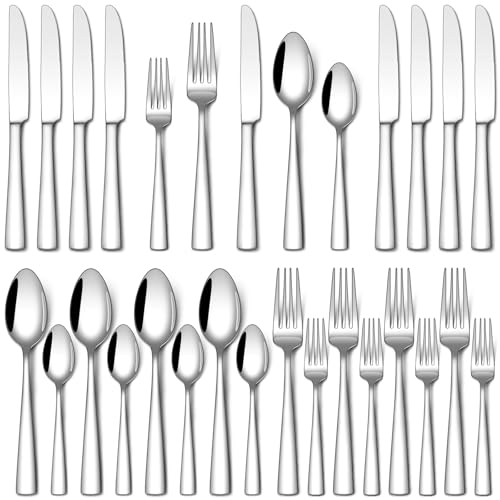
- Lay the knife with the blade facing the plate, then the spoon to the right of the knife. Forks go on the left.
- Position the drinking glasses at the top right of the plate, with the water glass farthest back and the wine glass in front of it.
- Fold napkins into simple rectangles or a single diagonal fold and place them to the left of the forks or on the plate.
Measurements That Help
Allow about 24 inches of width per guest for comfortable elbow room. Keep at least 6 inches of clearance between place settings so guests can move without knocking glassware. On a round table, a 60-inch diameter comfortably seats six to eight people.
Step 3: Choose Dinnerware and Glassware
Dinnerware in this style is usually understated: matte or satin glazes, subtle speckles, rounded silhouettes, and little to no gilding. Stoneware and reactive glaze pieces give a handmade, mid-century feel. For glassware, look for smoky, amber, or clear glass with a slight taper or faceted base. Stemware with thin, elongated stems matches the lean proportions of the furniture.
You do not need a full matching set. Mixing two or three complementary glazes across the table often looks more collected than uniform sets do.
Step 4: Add the Centerpiece
A centerpiece is where you can show personality. Good options include:
- A single ceramic vase with a few branches of eucalyptus, dried grasses, or seasonal foliage.
- A low wooden bowl filled with pine cones, clementines, or pears.
- Three bud vases of different heights placed in a loose triangle.
- Taper candles in brass or wood holders at varying heights.
Keep the centerpiece under 14 inches tall if your guests will need to see across the table. Asymmetry is part of the look, so an off-center arrangement is perfectly appropriate.
Step 5: Layer in Lighting and Final Touches
Lighting does much of the work. Use a statement pendant or a warm-toned bulb overhead, and add taper or pillar candles at the table. Set candles in the 2,700K to 3,000K color temperature range for a warm glow. A small brass or wood serving tray, a dish of nuts, or a pitcher of water finishes the look without clutter.
Common Mistakes to Avoid
- Overdoing the color. Stick to one accent color and a neutral base.
- Using shiny, ornate materials. Gold charger plates and crystal-cut glasses clash with the clean lines.
- Crowding the place settings. Leave breathing room. If guests cannot rest their elbows, the table feels cramped.
- Mixing too many patterns. One pattern, such as a geometric runner, is enough. Pair it with solid napkins and plates.
- Setting the centerpiece too tall. Tall arrangements block conversation and make the table feel formal in the wrong way.
Tips for a Stress-Free Setup
- Set the table one to two days before the event. Cover it with a sheet between steps to keep dust off.
- Prepare your centerpiece the morning of, and keep flowers in water until the last hour.
- Test the lighting at dusk. Warm bulbs can look yellow in daylight, so check the effect at the hour your guests arrive.
- Photograph the table once it is finished. A quick reference image helps you reset it after a dish is cleared.
For broader planning, see Round Dining Table Setting: A Step-by-Step Guide for Hosts if you are working with a circular surface, or Square Dining Table Setting: A Step-by-Step Guide for Hosts for a boxier layout. If your guest list is larger, Extendable Dining Table Setting: A Step-by-Step Guide for Hosts covers how to adjust spacing as you add leaves. For the glassware step, Wine Glasses on Table Place Setting: 4 Best Picks for Holiday Hosts (2026) offers useful comparisons. Finally, 5 Best Placemats for Table Setting: Our Picks Compared can help you pick the right base layer.
Recommended gear
A few supplies make the job easier and help the look hold together through the evening.
- Linen table runner in a neutral tone: A runner in oatmeal or natural linen adds texture without competing with the wood. View on Amazon
- Matte stoneware dinner plates: Matte or reactive-glaze stoneware captures the handmade quality of the era. View on Amazon
- Taper candle holders in brass or wood: Varying heights create the layered, asymmetric look the style calls for. View on Amazon
- Ceramic bud vases in mixed heights: A set of three or more lets you build a low, airy centerpiece. View on Amazon
FAQ
What colors work best for a mid century modern table setting?
Warm neutrals such as cream, oatmeal, and natural wood form the base. Add one accent color, like mustard, rust, or teal, and use it sparingly in napkins, candles, or a vase.
Do I need matching dishes?
No. The style favors collected pieces with similar glazes or tones. Two or three complementary dinnerware patterns often look more authentic than a single uniform set.
Should I use a tablecloth or a runner?
A runner is usually the better choice because it shows off the wood and keeps the lines clean. A full tablecloth in solid linen can work if the table surface is worn or uneven.
What centerpiece height is appropriate?
Keep the centerpiece under about 14 inches so guests can see one another across the table. Low bowls, bud vases, and clustered candles all fit the look.
How should I fold napkins for this style?
Simple folds work best: a rectangle, a single diagonal, or a clean roll tied with twine. Avoid elaborate shapes, which feel more formal than the style calls for.
Can I use this style for a holiday dinner?
Yes. Seasonal touches such as pine branches, pears, or dried grasses fit naturally. Choose one or two seasonal elements rather than heavy decorations.
How much space should I give each guest?
Plan for about 24 inches of table width per person, with at least 6 inches between place settings. This keeps the table comfortable and uncluttered.
Conclusion
A mid century modern table setting comes down to restraint: a neutral base, warm wood, one accent color, and a few well-chosen objects. Build your place settings in layers, keep the centerpiece low, and let warm lighting finish the look. With these steps, your holiday table will feel deliberate, comfortable, and distinctly retro.
Ready to choose one?
About Miles Sinclair
Miles Sinclair is part of our editorial team and reviews and edits our holiday hosting guides, checking product details against manufacturer specifications and owner feedback.