 By Miles Sinclair
Updated November 2026
A strong brunch decoration table setting starts with three decisions: a color palette, a base layer of linens and dishes, and one or two focal points that feel relaxed rather than formal. Work through those choices in order and you will end up with a table that looks put together without eating up your whole morning. This guide walks through each step, from planning to the final check before guests arrive.
Start With a Brunch Theme and Color Palette
Brunch sits between breakfast and lunch, so the table should feel lighter than a formal dinner but more intentional than a casual weekday meal. Pick one theme and build everything around it. Common directions include garden fresh (sage, cream, and blush), coastal (white, navy, and sand), or classic bistro (black, white, and warm wood).
Shopping for one? See our guide: 5 Best Placemats for Table Setting: Our Picks Compared.
Limit yourself to three colors: a base neutral, an accent, and a third shade for small details. Neutrals such as white, ivory, or linen make mixing patterns easier. Keep your accent color in the napkins, flowers, or candles so the eye moves across the table rather than stopping at one spot.
Choose a Simple Mood Board
Before you buy or borrow anything, sketch the table on paper or in a notes app. Mark where the plates, flatware, glasses, and centerpiece will go. Many hosts find it helpful to save three or four photos of tables they like and note which elements repeat: the linen color, the flower type, or the use of greenery.
Lay the Base: Linens, Plates, and Flatware
The base layer holds everything together. Start with a tablecloth or runner, then add placemats or charger plates if you use them. For brunch, a runner over a bare or lightly covered table often looks more relaxed than a full tablecloth. If you want something to extend the look beyond the table edge, consider a runner that drapes about 8 to 12 inches on each side.
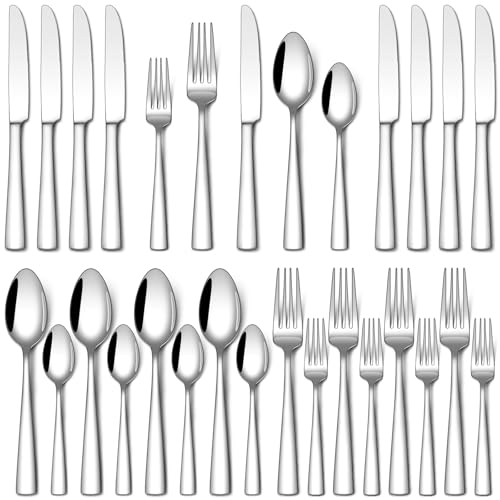
For flatware, the standard brunch setup is a dinner fork on the left, a knife and spoon on the right, and a smaller fork or spoon for dessert placed above the plate. Many brunch menus include eggs, pastries, and fruit, so a small plate or bowl beside the main plate gives guests a place to set down cutlery between courses.
Standard Placement Order
- Place the dinner plate about one inch from the table edge, centered at each seat.
- Set the fork to the left of the plate, tines facing up.
- Set the knife to the right of the plate, blade facing the plate.
- Place the spoon to the right of the knife, if needed for coffee or fruit.
- Position the napkin to the left of the forks or on top of the plate.
- Set the water glass above the knife and the coffee cup or mug to the upper right.
- Place the dessert fork or spoon horizontally above the plate.
Build the Centerpiece and Focal Points
A brunch centerpiece should be low enough that guests can see each other across the table. Aim for a height of 12 inches or less, or place taller items at the ends of the table. Fresh flowers in a shallow vase, a row of small pots with herbs, or a grouping of candles in glass holders all work well.
Add one secondary focal point to balance the table. This might be a bowl of fresh citrus, a tray of pastries, or a small stack of cookbooks with a sprig of greenery. Repeat one element from the centerpiece in a smaller form, such as a single bloom at each place setting, to tie the table together.
Using Florals and Greenery
Choose flowers that will last several hours at room temperature. Ranunculus, tulips, and eucalyptus hold up well. Trim stems to fit the container and remove any leaves that will sit below the waterline. If you use taper candles, trim the wicks to about a quarter inch before lighting and place them in holders that catch drips.
Add Personal Touches Without Clutter
Place cards, small favors, and menu cards make a brunch feel thoughtful. Keep them short. A single line of text on a folded card works better than a long paragraph. If you serve a buffet-style brunch, label each dish on a small card and place it on a stand near the food rather than cluttering the guest seating area.
Think about lighting as well. Daytime brunch benefits from natural light, so position your table near a window when you can. For a late-morning event that runs into the afternoon, add a few warm-toned candles or string lights for a softer look.
Plan Your Timeline
A stress-free brunch depends on doing most of the setup the day before. Use this simple schedule:
| When | Task |
|---|---|
| Two days before | Choose the palette, sketch the layout, and confirm you have enough plates, glasses, and linens. |
| The day before | Wash and press linens, polish flatware and glasses, and arrange the table layout so it can be finished quickly. |
| Morning of | Cut and arrange flowers, fill water glasses, and set out candles and place cards. |
| One hour before | Set the plates and cutlery, light candles, and do a final walk-around from the guest side. |
Common Mistakes to Avoid
- Using a centerpiece so tall that guests cannot see across the table.
- Mixing more than three colors, which makes the table look busy.
- Placing glasses too close to the plate, leaving no room for the bread plate or coffee cup.
- Forgetting to leave space for food and drink. A table covered entirely in decor leaves nowhere to put a plate.
- Setting out flowers with strong scents that compete with coffee and food.
- Skipping a final check from a seated position. Sit at one chair and confirm that nothing blocks your view or your reach.
Recommended Gear
- Linen table runner: A runner gives the table a finished look without needing a full cover. Look for a natural linen or cotton blend in a neutral shade. View on Amazon
- Cloth napkins: Cloth napkins feel more relaxed and polished than paper, and they hold up well to brunch foods. Choose a color that matches your accent shade. View on Amazon
- Taper candles and holders: Glass or ceramic holders catch wax drips and add height without blocking sightlines. View on Amazon
- Shallow glass vases: A low, wide vase keeps the centerpiece from blocking conversation. View on Amazon
Related Setup Guides
If you are planning a different style of gathering, these guides can help you adapt the same principles. For a more casual layout, see Setting a Casual Tables (2026): Our Picks for ideas on relaxed table choices. Hosts setting up a garden-style brunch may also like Vintage Outdoor Table Setting: 8 Steps for a Charming Garden Party, which covers outdoor layouts. For flatware placement questions, Fork and Knife Table Setting: A Step-by-Step Guide for Hosts offers a clear reference. If you plan to serve a spread from a sideboard, Table Setting for a Buffet: 6 Best Place Cards and Warmers (2026) explains how to arrange food and labels.
Tips for a Polished Brunch Table
- Set the table the night before and cover it with a clean cloth so dust stays off.
- Use one serving piece per dish rather than many small bowls.
- Keep at least 24 inches of width per guest, so people have room for elbows and plates.
- Place coffee cups and carafes at a second station if your table is small.
- Choose one special item, such as a handwritten menu or a single bloom at each seat, to make guests feel welcomed.
FAQ
How far apart should place settings be for brunch?
Plan for about 24 inches of width per guest. This gives enough room for plates, cutlery, and a drink without crowding your neighbor.
Do I need a tablecloth for a brunch table?
No. A runner over a bare table or a light cover looks relaxed and works well for most brunch styles. A full tablecloth suits more formal or seated buffet setups.
What flatware do I need for a brunch table setting?
At minimum, set a dinner fork, a knife, and a spoon. Add a dessert fork or spoon above the plate if pastries or fruit are on the menu.
How tall should a brunch centerpiece be?
Keep it under about 12 inches so guests can see each other across the table. If you want something taller, place it at the ends of the table instead.
Can I use paper napkins for brunch?
Yes. Cloth napkins look more polished, but paper works well for casual gatherings. Choose a quality paper napkin in your palette color for a coordinated look.
How many colors should I use on a brunch table?
Three is a good limit: a neutral base, an accent, and one shade for small details. This keeps the table cohesive and easy on the eye.
Where should I put the coffee cups?
Place each cup above the knife and spoon on the upper right of the plate, or set coffee on a sideboard with a self-serve station if space is tight.
Conclusion
A good brunch decoration table setting comes down to a clear palette, a layered base, and one or two low focal points. Plan the layout the day before, set the plates and cutlery close to serving time, and check the table from a guest’s seat. With these steps, your brunch table will look relaxed and inviting without taking over your morning.
Related reading
- Wine Glasses on Table Place Setting: 4 Best Picks for Holiday Hosts (2026)
- Wine Glass on Table Setting: A Step-by-Step Guide for Hosts
- Wicker Outdoor Table Setting: A Step-by-Step Guide for Hosts
- White Outdoor Table Setting: A Step-by-Step Guide for Hosts
Ready to choose one?
About Miles Sinclair
Miles Sinclair is part of our editorial team and reviews and edits our holiday hosting guides, checking product details against manufacturer specifications and owner feedback.