 By Miles Sinclair
Updated November 2026
A pottery barn table setting is built on relaxed elegance: natural textures, a warm neutral palette, and layers that look collected rather than matched in a showroom. In this guide you will learn how to plan the look, choose the core pieces, lay out each place setting, and finish the table with centerpieces and details that feel welcoming. Whether you are hosting a casual Thanksgiving or a winter dinner party, the steps below will help you reach a polished result without a lot of last-minute scrambling.
What Defines the Pottery Barn Table Setting Style
The style leans on a few consistent ideas. Colors stay in the cream, sand, oatmeal, slate and deep green range, with occasional accents of rust or burgundy in the fall. Materials mix ceramic, stoneware, wood, linen, glass and woven rattan. Pieces are often slightly imperfect, which is part of the charm. Patterns are used sparingly, usually as a subtle stripe, a small check or a hand-painted edge. The goal is a table that looks generous and lived-in.
Shopping for one? See our guide: 5 Best Placemats for Table Setting: Our Picks Compared.
Before you buy or pull anything out of the cabinet, decide which two or three of these traits you want to lean into. A table that tries to do everything at once usually looks busy.
Step 1: Plan the Palette and Theme
Start by choosing a base color for your dinnerware and a single accent color. A common formula is 60 percent neutral, 30 percent secondary neutral or natural wood, and 10 percent accent. For example, cream plates, linen napkins in oatmeal, wooden chargers and a few deep green candles. Keep your metals consistent too. Brushed brass or antiqued gold works well with this style, while mixing too many metals can look scattered.
Check the room before you commit. Warm lighting makes cream look golden and slate look richer. Cool daylight can make the same palette feel stark, so you may want to add an extra textural layer like linen or wood to soften the look.
Step 2: Gather Your Core Pieces
Use this checklist to make sure you have everything before the guests arrive:
- Dinner plates, one per guest, plus a few spares
- Salad or bread plates, one per guest
- Chargers or placemats (optional, but they add layers)
- Soup bowls or small serving bowls if serving a first course
- Cloth napkins, ideally in a fabric like cotton or linen
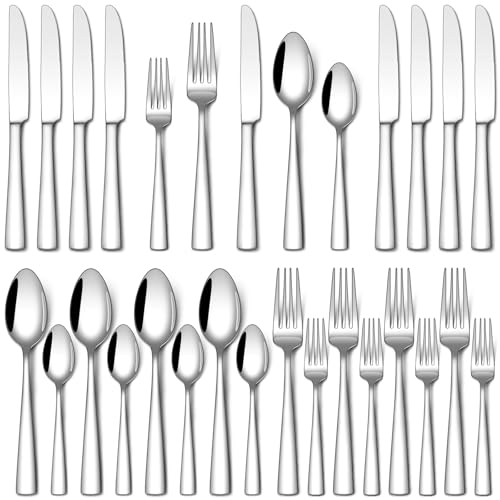
- Flatware: dinner fork, dinner knife, dinner spoon, salad fork and dessert spoon as needed
- Water glass and wine glass for each guest
- Table runner, about 14 to 16 inches wide for a standard rectangular table
- Candles in two or three heights, plus a few votives
- Centerpiece materials: greenery, pillar candles, a bowl of seasonal fruit or a stack of books
If you are short on matching sets, mix two complementary patterns: one for dinner plates and another for salad plates in the same color family. This is one of the easiest ways to get the layered look without buying an entire new collection.
Step 3: Lay Out Each Place Setting
Consistency matters more than perfection. Use the following placement for a standard formal-casual setting:
- Place the charger or placemat first, centered about one inch from the table edge.
- Set the dinner plate on the charger, or directly on the table if you are not using chargers.
- Place the salad plate on top of the dinner plate or just above the forks, depending on the course order.
- Put the dinner fork on the left of the plate, with the salad fork outside it.
- Place the dinner knife on the right, blade facing the plate, followed by the soup spoon on the outside.
- Set the dessert spoon or fork horizontally above the plate, handle pointing left or right to match your dinner flatware direction.
- Position the water glass at the tip of the knife, and the wine glass to its right.
- Fold the napkin and place it on the plate or to the left of the forks.
Keep the distance between place settings at about 24 inches measured from the center of one plate to the next. For a table seating eight, this usually works out to a comfortable arrangement on a standard 72-inch rectangular table. If your space is tight, see the guidance in Thanksgiving Seating: Table Layouts for Big Groups in Small Spaces.
Folding Napkins for the Look
Napkins give a pottery barn table setting its softness. Try a simple fan fold, a rolled napkin tied with twine, or a square folded into a rectangle and laid across the plate. Linen holds creases well, while cotton is easier to press and more forgiving. Choose one napkin style for the whole table so the effect feels intentional.
Step 4: Build the Centerpiece
A centerpiece anchors the whole table. For this style, aim for a low-to-medium height arrangement so guests can see each other across the table. Good options include:
- A tray with three pillar candles of different heights surrounded by eucalyptus or cedar sprigs
- A wooden bowl filled with pinecones, apples or pears and a few sprigs of rosemary
- A long low runner of greenery with taper candles set in glass holders
Keep the arrangement under about 12 inches tall if guests will be seated across from one another. If you want something taller, place it at the ends of the table or on a sideboard instead. For more ideas, see Holiday Party Centerpiece Ideas: 9 Easy Designs for Any Table.
Step 5: Add Texture and Final Details
This is where the table starts to look collected. Layer in a few details:
- A linen or cotton table runner that falls slightly over the ends of the table
- Small bud vases with a single stem at each place or between settings
- Name cards written in simple script or tucked into napkin rings
- A few loose items like a stack of cookbooks or a wooden cutting board at the buffet end
Avoid putting too many small items on the table. Plan for each guest to have about 18 inches of elbow room, and keep serving dishes near the center so people can reach them easily.
Recommended gear
These items help with the layering and texture that define this style:
- Stoneware dinner plate set in a cream or speckled finish, which gives the table a relaxed base layer. View on Amazon
- Linen napkins in oatmeal or flax, which hold their shape when folded and soften the table visually. View on Amazon
- Wooden charger plates, which add natural warmth and a sturdy foundation for the place setting. View on Amazon
- Taper candle holders in brass or matte black, which help tie the metal accents together. View on Amazon
Common Mistakes to Avoid
- Too many colors. Stick to a neutral base with one or two accents.
- Crowding the table. Leave room for food, drinks and elbows.
- Mismatched metals. Choose one finish for flatware, candle holders and hardware.
- Skipping the runner. Without one, the table can look bare, even with a full set of dishes.
- Tall centerpieces. Anything that blocks sight lines makes conversation harder.
- Wrinkled linens. A quick steam the morning of the party makes a visible difference. For stains, see How to Remove Party Stains From Table Linens.
Tips for a Stress-Free Setup
- Set the table the day before, then cover it with a clean sheet or tablecloth to keep dust off.
- Pre-fold napkins and store them flat in a drawer until the morning of the event.
- Place candles in holders the night before, but light them only after guests arrive.
- Keep a small basket of extra napkins, matches and candle snuffers on the sideboard.
If you are also planning how food will move around the room, the layout ideas in Buffet Table Layout and Traffic Flow pair well with this approach.
FAQ
What dishes work best for a pottery barn table setting?
Stoneware or matte ceramic in cream, white or muted neutral tones is the most common choice. Speckled or hand-glazed pieces add visual interest without overwhelming the table.
Do I need chargers for this style?
Chargers are optional. They add a layer and make the table look fuller, but a well-set table without them still looks polished. Wood or woven chargers suit the style best.
Which napkin fold works best?
A simple fan fold or a rectangle laid across the plate are both easy and look natural. Choose one fold and use it all the way down the table.
How many candles should I use?
Three pillar or taper candles in varying heights is a good starting point for a standard table. Add votives along the runner if you want a warmer glow.
Can I mix patterns on the table?
Yes, if the patterns share a color family. Pair a subtle stripe with a solid, or two neutral patterns with a shared accent color.
How far apart should place settings be?
Plan for about 24 inches from the center of one plate to the next. Less than that can feel cramped, especially when guests are carrying dishes or glasses.
Should I set the table ahead of time?
Yes, the day before is ideal. Cover it lightly and add fresh flowers or greenery the morning of the party so they look their best.
Conclusion
A pottery barn table setting comes down to a warm neutral palette, layered textures and a few thoughtful details. Plan your colors and pieces in advance, lay out each place setting consistently, and finish with a low centerpiece and simple candles. With a little preparation, you can create a table that feels inviting and effortless for your guests.
Related reading
Ready to choose one?
About Miles Sinclair
Miles Sinclair is part of our editorial team and reviews and edits our holiday hosting guides, checking product details against manufacturer specifications and owner feedback.