By Miles Sinclair
Updated November 2026
A garden theme table setting brings the feel of an outdoor meal indoors or onto a patio, using greenery, soft florals, and natural textures. In this guide, you will choose a base palette, build a centerpiece, and lay out plates and glassware so the table looks cohesive without feeling crowded. The whole process takes about an hour if you start with the steps below. For a deeper look, Garden Themed Table Setting: 7 Steps for a Fresh Outdoor Look covers this in detail.
Start With a Color Palette and Base Layer
Pick three to four colors drawn from the garden: sage or olive for foliage, a blush or lavender for blooms, and a warm neutral like cream or natural linen. Keep the tablecloth or runner in the lightest of these tones so the greenery and florals stand out. A linen runner laid down the center of a bare wood or neutral tablecloth works well for most dining tables.
Shopping for one? See our guide: 5 Best Placemats for Table Setting: Our Picks Compared.
Build a Low, Layered Centerpiece
Garden tables look best with a centerpiece that stays below eye level so guests can see across the table. Use a long, shallow trough or a set of small glass bud vases spaced along the runner. Fill them with seasonal flowers, trailing eucalyptus, or ivy, and tuck in a few herb sprigs such as rosemary for scent. Aim for a centerpiece no taller than about 10 inches so conversation is not blocked.
Set Each Place With Natural Materials
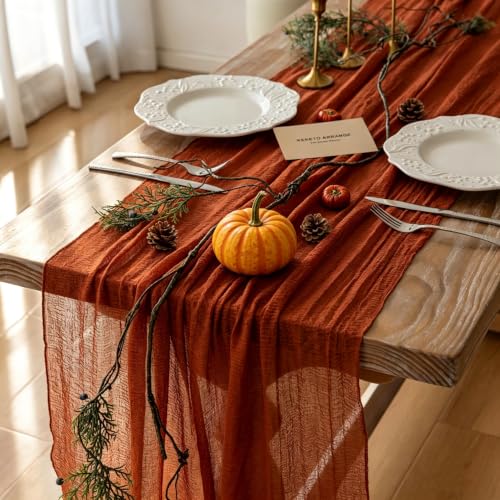
Use plates in white or cream ceramic, and add a charger or woven placemat for texture. Layer the flatware on the outside of the plate in the usual order, and tie a sprig of herb or a single bloom around each napkin. Stemware should be clear or lightly tinted, with a water glass placed at the top right of each setting.
- Lay the placemat or charger about one inch from the table edge.
- Center the dinner plate on the charger, then the salad plate or bread plate above it.
- Place forks to the left and knife and spoon to the right, blade facing the plate.
- Set the water glass above the knife and wine glass to its right.
- Fold the napkin into a simple rectangle and tie on a herb sprig or ribbon.
- Add a small name card or sprig at the top of the plate.
Add Garden Details Without Clutter
Scatter small accents along the runner rather than piling them in one place. Mason jars with tea lights, small pots of herbs that guests can take home, and a few loose petals work well. Keep the number of accent types to three or fewer so the table stays calm. Lighting matters too: candles in glass hurricanes or string lights overhead soften the look once the sun goes down.
Garden Theme Table Setting Checklist
- Linen runner or tablecloth in a light neutral
- Charger or woven placemat for each guest
- Cream or white dinner plates
- Clear stemware and water glasses
- Cloth napkins with herb or ribbon accents
- Bud vases or a low trough centerpiece
- Fresh herbs, greenery, and seasonal blooms
- Candles or string lights for evening
Common Mistakes
- Using a centerpiece that is too tall, which blocks sightlines across the table.
- Choosing too many competing colors, which makes the setting look busy.
- Placing flowers that wilt quickly in direct sun; cut blooms should be kept cool until serving.
- Forgetting that herb sprigs can be strong-scented near food; keep them away from the plate.
- Skipping a runner or placemat, which leaves bare wood looking unfinished.
Recommended Gear
- Glass bud vases let you space flowers along the table without a bulky arrangement. View on Amazon
- Woven rattan placemats add natural texture under the plates. View on Amazon
- Linen table runner gives the center of the table a soft, garden-friendly base. View on Amazon
FAQ
How many flowers do I need for a garden table?
For a standard dining table, plan on three to five bud vases or one low trough with enough stems to fill it. Buy a little extra so you can replace any blooms that fade. Setting a Summer Table: 7 Steps for a Fresh, Easy Gathering goes further into this.
Can I use a garden theme for an indoor dinner?
Yes. Greenery, natural textures, and soft colors work well indoors. Dim lighting and candles help the look feel outdoor-inspired.
Do I need real herbs, or are artificial ones fine?
Real herbs add scent and can be placed at each setting, but artificial greenery works well for the centerpiece and avoids wilting. Many hosts mix both.
Conclusion
A garden theme table setting comes together when you limit your palette, keep the centerpiece low, and layer natural textures across the table. Start with the checklist above, then add details until the table feels balanced. Test your layout a day ahead so you can swap out any elements that do not fit.
Related reading
- Vintage Outdoor Table Setting: 8 Steps for a Charming Garden Party
- Italian Theme Table Setting: A Step-by-Step Guide for Hosts
- Garden Party Table Setting: 7 Steps for an Elegant Outdoor Table
Ready to choose one?
About Miles Sinclair
Miles Sinclair is part of our editorial team and reviews and edits our holiday hosting guides, checking product details against manufacturer specifications and owner feedback.