By Miles Sinclair
Updated November 2026
A winter wonderland table setting turns your dining table into a frosted, glowing scene that feels calm and festive at the same time. In this guide, you will choose a color palette, layer textures, place your dinnerware and flatware, and build a centerpiece that holds up through a long evening. Each step is designed so you can finish the table the day before your guests arrive.
Start With a Simple Winter Color Palette
Most winter tables work best with three to four colors. Pick a base neutral, a cool accent, a metallic, and one natural element. Limiting the palette keeps the table from looking busy and lets the frost-and-snow mood come through.
Shopping for one? See our guide: 5 Best Placemats for Table Setting: Our Picks Compared.
- Base neutral: white, ivory, or pale gray for the tablecloth or runner.
- Cool accent: icy blue, silver-gray, or pale lavender for napkins and candles.
- Metallic: brushed silver or pewter for flatware, candle holders, and small accents.
- Natural element: pinecones, dried eucalyptus, or bare birch branches.
If you want warmth without breaking the winter theme, add a single amber or gold tone in candles only. Hosts who go heavy on warm colors often lose the cool, quiet feel that defines the look.
Build the Base Layers
Texture does most of the work in a winter setting. Smooth white plates against a flat white cloth can look flat, so layer materials that catch light differently.
Tablecloth or Runner
A floor-length cloth in a soft white or gray works well for seated dinners. For a buffet or smaller table, a runner about 14 to 18 inches wide, running the length of the table, gives you a strip of color without covering the whole surface. Iron or steam the cloth before you lay it out, since creases show up strongly under candlelight.
Placemats and Chargers
Use a charger about 12 to 13 inches across as the first layer at each seat. Add a placemat in a woven, linen, or faux-fur texture if you want extra depth. Leave about 2 inches of space between the charger edge and the table edge so the layers look intentional.
Plates and Bowls
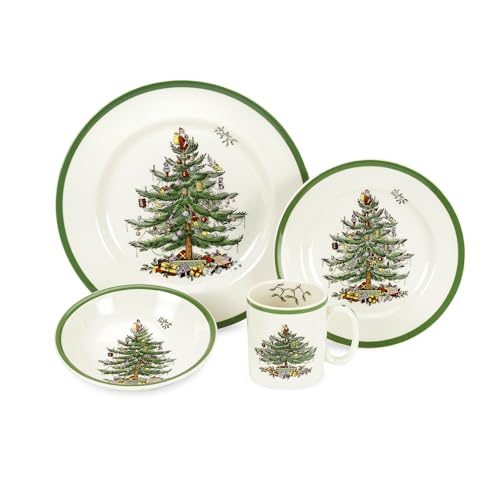
Set the dinner plate on the charger, centered, with the bread plate above the forks and the salad or soup bowl on top of the dinner plate when you serve. Glassware with a slight frosted or etched finish reinforces the winter theme without extra decoration.
Place the Flatware and Napkins
- Lay the dinner fork on the left of the plate and the salad fork outside it.
- Place the knife on the right, blade facing the plate, with the spoon to its right.
- Set the bread plate above the forks, with the butter knife across its top edge.
- Position the water glass above the knife tip and the wine glass to the right of it.
- Fold a napkin into a simple rectangle or fan and place it on the charger or to the left of the forks.
For more detail on napkin placement, see Where Should Napkins Be Placed in a Table Setting? A Host's Guide and Where Does the Napkin Go When Setting a Table: A Host's Guide. If you plan a steak course, check Where to Put Steak Knife in Table Setting: A Step-by-Step Guide for Hosts before you finalize the knife placement.
Create a Centerpiece That Holds Up
A winter centerpiece should feel full without blocking sightlines. Keep it below about 12 inches tall so guests can see each other across the table.
Choose a Base
Start with a low tray, a wooden board, or a long wooden box. Cover it with a sheet of faux snow, white sand, or a layer of pale cotton batting for a frosted look.
Add Height and Light
Place three pillar candles or LED candles of varying heights, arranged in a loose triangle. Battery candles avoid open flame near dried branches and fabric. Scatter a few small pinecones or sprigs of eucalyptus between them.
Finish With Small Details
Add a few white ornaments, silver stars, or glass pieces at the base. Keep the arrangement to three or four types of items so the centerpiece reads as one scene.
Plan the Timeline
| When | Task |
|---|---|
| Three days before | Choose palette, order or gather supplies, wash and iron linens. |
| Two days before | Polish flatware and glassware, test candles and lights. |
| Day before | Lay tablecloth, place chargers and placemats, set the centerpiece base. |
| Morning of | Add greenery, fold napkins, set plates and glasses, light candles just before guests arrive. |
Checklist: What You Need
- Tablecloth or runner in white, ivory, or gray
- Chargers and placemats in a textured material
- Dinner, salad, and bread plates
- Flatware with a brushed silver or pewter finish
- Water and wine glasses
- Cloth napkins in icy blue or silver-gray
- Three candles of varying heights, flameless if possible
- Pinecones, eucalyptus, or birch branches
- A low tray or board for the centerpiece base
- Steamer or iron and a lint roller
Common Mistakes
- Too many colors. Stick to three or four so the table stays calm.
- Centerpieces that are too tall. Keep them low enough that guests can see across the table.
- Skipping texture. A flat white table can look unfinished. Mix linen, faux fur, glass, and wood.
- Open flame near dry branches. Use flameless candles or keep real candles well away from greenery.
- Setting everything too early. Greenery wilts and napkins collect dust. Finish the day of the party when possible.
Tips for a Warm, Welcoming Winter Table
Dim the overhead lights and rely on candles and a string of warm-white lights along the runner. Add a single scented item, such as a simmering pot of cinnamon and orange, to make the room feel cozy. For more seasonal layouts, browse Winter Wonderland Table Setting Ideas: 6 Layouts for Cozy Holiday Hosts and Winter Wonderland Holiday Party Ideas: 12 Decor, Food and Activity Plans.
Recommended gear
Flameless pillar candles let you add warm light to the centerpiece without open flame near dried branches. Look for models with a timer or remote so you can switch them on before guests arrive.
A steamer keeps linen tablecloths and napkins crisp. Handheld models are easier to use on a table-sized cloth than a full iron.
A cotton batting roll or faux snow makes a convincing frosted base for a low tray. Use a small amount so it does not spill onto the cloth.
FAQ
What colors work best for a winter wonderland table?
White, ivory, silver-gray, and icy blue are the most common base colors. Add one metallic, such as silver or pewter, and one natural element like pinecones or eucalyptus.
How tall should a winter centerpiece be?
Keep it under about 12 inches so guests can see each other across the table. A low, wide arrangement often looks more elegant than a tall one.
Can I use real candles on a winter table?
You can, but keep them away from dried greenery and cloth, and never leave them unattended. Flameless candles are a practical choice for households with children or pets.
How far ahead can I set the table?
Lay the tablecloth, chargers, and placemats the day before. Add napkins, glassware, and greenery the morning of the party to keep them fresh and dust-free.
Do I need a runner or a full tablecloth?
A runner works well for smaller tables or buffets, while a full floor-length cloth suits formal seated dinners. Either option supports the winter look when the colors are kept soft.
How do I keep faux snow from getting on the tablecloth?
Place the snow inside a tray with raised edges, or lay a sheet of parchment under the base. Brush any loose pieces off with a soft cloth before guests sit down.
What if my dining room is small?
Use a low centerpiece, a single runner, and fewer accessories so the table does not feel crowded. Smaller arrangements still deliver the winter mood when texture and color are chosen carefully.
Conclusion
A winter wonderland table setting comes together when you limit your palette, layer textures, and keep the centerpiece low and light. Follow the timeline so the table is finished without last-minute stress. With candles glowing and the room warm, your guests will feel the season the moment they sit down.
Related reading
Ready to choose one?
About Miles Sinclair
Miles Sinclair is part of our editorial team and reviews and edits our holiday hosting guides, checking product details against manufacturer specifications and owner feedback.