By Miles Sinclair
Updated November 2026
An elegant high tea table setting comes down to three things: a clean, layered base, coordinated china and flatware, and a tiered stand that puts the food within easy reach. This guide walks you through each step in order so you can set the table in about 30 minutes. Work from the foundation up, and the rest falls into place.
Start With the Base Layers
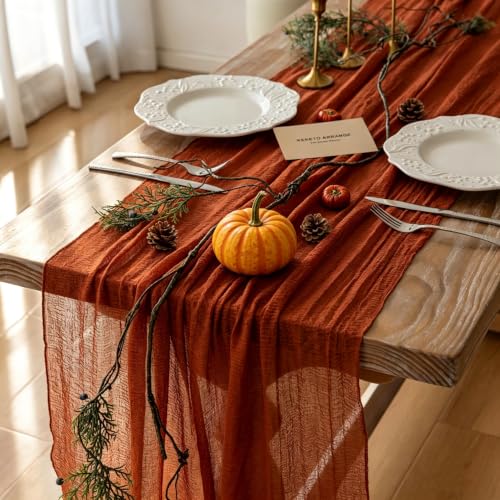
High tea tables are usually set on a dining table rather than a low coffee table, so the surface needs to be fully covered and comfortable for guests seated on chairs. Begin with a floor-length or near-floor-length tablecloth in white, ivory, or a soft pastel. Add a runner down the center if you want a more structured look, running it about 12 to 18 inches past each end of the table.
Shopping for one? See our guide: 5 Best Placemats for Table Setting: Our Picks Compared.
Next, place a cloth napkin on each plate. Fold it into a simple rectangle or a single-fold triangle, and set it either on the plate or to the left of the forks. Keep fabrics consistent: if the tablecloth is linen, use linen napkins too.
Arrange the Place Settings
Each guest should have a dinner-sized plate, a salad or dessert plate on top or to the side, and a teacup with saucer. Set the teacup at the upper right of the plate, with the handle pointing toward the right so guests can lift it easily. Place the spoon on the saucer behind the cup.
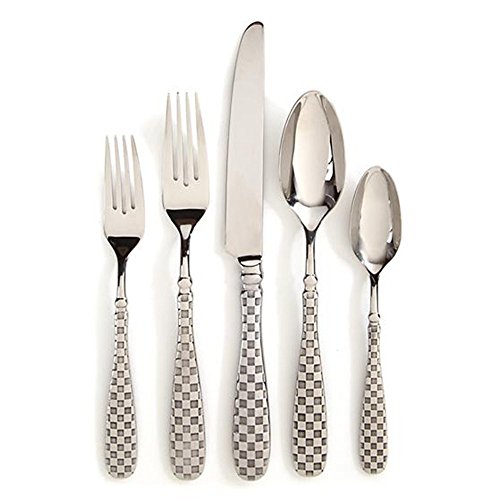
Flatware goes on the outer sides of the plate. Forks sit to the left, with the salad fork outermost if you are serving a savory course. Knives and spoons go to the right, blades facing inward. A dessert fork or spoon can rest horizontally above the plate. Keep the spacing even, roughly 12 inches of table width per guest, so elbows have room.
Build the Tiered Stand and Centerpiece
The tiered stand is the visual anchor of the table. Most hosts use three tiers: sandwiches or savory bites on the bottom, scones in the middle, and pastries or petit fours on top. Place the stand in the center of the table, and make sure the bottom tier sits at a comfortable reaching height for seated guests.
Keep the centerpiece low, roughly 8 to 12 inches tall, so guests can see each other across the table. Fresh flowers in a shallow vase, a small cluster of candles, or a pair of bud vases all work well. Avoid anything tall enough to block conversation.
Add Serving Pieces Within Reach
Place a small plate of butter, a pot of jam, and a dish of clotted cream or lemon curd near the stand, with a serving spoon for each. Put a teapot or two on a side table or sideboard instead of the main surface, so the table stays uncluttered. Have napkins ready at the end of the table for refills.
Finish With Details That Signal Elegance
Small touches make the difference between a tidy table and an elegant one. Add a name card at each setting if guests are seated, or a small ribbon-tied menu card if you are serving a set menu. Place a single sprig of greenery or a few loose petals near each plate for a soft accent. Keep metallics consistent: if your flatware is silver, pair it with silver serving pieces.
Recommended Gear
- Three-tier serving stand: Keeps sweets, scones, and sandwiches stacked neatly in a single centerpiece, which saves space compared with separate platters. View on Amazon
- Cotton or linen napkins: Hold their folds better than paper and match the formality of a sit-down tea. View on Amazon
- Teacup and saucer set: A matched set keeps the table looking coordinated and makes serving easier. View on Amazon
Checklist
- Lay the tablecloth and runner, centered and evenly hanging.
- Fold and place one napkin per guest.
- Set the dinner plate, salad or dessert plate, and teacup with saucer.
- Arrange forks left, knives and spoons right, dessert utensils above.
- Place the tiered stand at the center with bottom-tier food within easy reach.
- Add condiments, a low centerpiece, and a side table for teapots.
Common Mistakes to Avoid
- Using a centerpiece taller than about 12 inches, which blocks eye contact across the table.
- Crowding the table so guests cannot reach their cups or plates comfortably.
- Mixing too many patterns on china, linens, and napkins at once.
- Placing the teacup handle pointing left, which is awkward for right-handed guests.
- Forgetting a serving utensil for each condiment, which leads to shared knives and messy spreads.
FAQ
Do I need a tablecloth for high tea?
Yes, a full tablecloth gives the table a finished, formal look and protects the surface from spills. Choose white, ivory, or a soft pastel for the most traditional result.
Where should the teacup go on the table?
Place the teacup and saucer at the upper right of the dinner plate, with the handle pointing right. The spoon rests on the saucer behind the cup.
How tall should a high tea centerpiece be?
Keep it between about 8 and 12 inches so guests can see each other comfortably across the table. Low arrangements work best for seated conversation.
Conclusion
An elegant high tea table setting starts with a full cloth, consistent linens, and correctly placed china and flatware. Build the tiered stand at the center, keep the centerpiece low, and add small details that tie the look together. With this order, your table will look polished without a long setup.
Related reading
- Table Setting for a Tea Party: A Step-by-Step Guide for Hosts
- Table Setting for Afternoon Tea: A Step-by-Step Guide for Hosts
- Table Setting for Afternoon Tea Party: A Step-by-Step Guide for Hosts
Ready to choose one?
About Miles Sinclair
Miles Sinclair is part of our editorial team and reviews and edits our holiday hosting guides, checking product details against manufacturer specifications and owner feedback.