By Miles Sinclair
Updated November 2026
Casual table setting placement comes down to a simple rule: put each item where a guest naturally reaches for it. In this guide you will learn where to position the plate, flatware, glassware and napkin, how far apart to space each seat, and how to avoid the small errors that make a relaxed table feel crowded or confusing.
Start With the Plate and Seat Spacing
Begin by setting the dinner plate in the center of each place, about one inch from the edge of the table. Allow roughly 24 inches of width per guest so elbows do not collide. For a rectangular table, space chairs evenly along both long sides, and keep the ends for hosts or fewer guests.
Shopping for one? See our guide: 6 Best Setting a Casual Tables (2026): Our Picks.
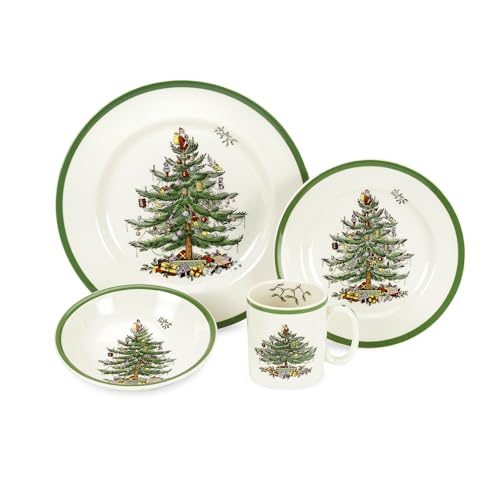
If you plan a bread plate, place it to the upper left of the dinner plate, with its rim close to the tips of the forks. Keep it small enough that it does not crowd the main plate.
Place Flatware and Glassware Correctly
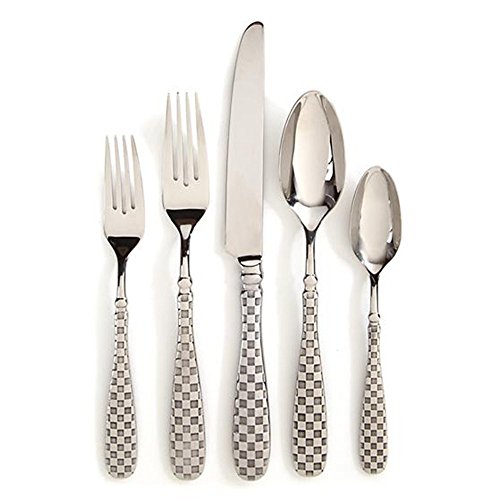
Lay forks on the left side of the plate and knives and spoons on the right. Keep the forks tines-up and the knife blade facing the plate. In a casual setting, you can use a single fork for the main course and a single spoon for soup or dessert.
Set the water glass just above the tip of the knife. Place a wine glass to the right of the water glass, slightly lower. Once the glasses are in position, set the napkin on the plate or to the left of the forks, whichever suits your space. If you need detailed guidance on each item, see Table Setting Silverware Placement: A Step-by-Step Guide for Hosts and Table Setting Glassware Placement: A Step-by-Step Guide for Hosts.
Step-by-Step Checklist
- Lay a tablecloth or runner and smooth it flat.
- Center the dinner plate about one inch from the table edge.
- Place the bread plate to the upper left, with a small butter knife across it.
- Set forks to the left of the plate, tines up, with the salad fork outermost.
- Set the dinner knife to the right of the plate, blade facing inward, then the spoon to its right.
- Position the water glass above the knife tip and the wine glass to its right.
- Fold the napkin and place it on the plate or to the left of the forks.
- Walk around the table and check that every place has the same layout.
Balance the Table Layout
Once every place is set, step back and check symmetry. Each guest should have the same items in the same order, with an even gap between settings. For a quick reference layout, you can compare your arrangement with a printed chart, and the guide Casual Table Setting Diagram: A Step-by-Step Layout for Hosts shows the spacing visually. If you are short on ideas for centerpieces or color, Casual Table Setting Ideas: 6 Easy Layouts for Relaxed Hosting offers simple variations that keep the placement consistent.
Common Mistakes
- Crowding the seats. Less than 20 inches per guest leads to bumped elbows.
- Placing the bread plate on the right side, where it competes with the water glass.
- Setting knives with the blade facing outward instead of toward the plate.
- Forgetting the second wine glass or mismatching glassware across the table.
- Putting the napkin on the chair, which looks untidy when guests sit down.
Recommended gear
A simple tape measure or a set of paper placemats helps you check spacing before guests arrive. A table runner keeps the center line clear and makes it easier to align settings. Cloth napkins with a neat fold hold their shape during a long meal. View on Amazon View on Amazon
FAQ
Where does the napkin go in a casual setting?
Place the napkin on the dinner plate or to the left of the forks. Either position is correct, so choose the one that fits your table size.
How far apart should place settings be?
Aim for about 24 inches of width per guest. This gives enough room for elbows and serving dishes without making the table look sparse.
Do I need a bread plate for a casual dinner?
No. A bread plate is optional. If you skip it, set a small butter knife on the dinner plate’s upper edge or on a side bread dish shared by guests.
Conclusion
Good casual table setting placement starts with the plate, then builds outward with flatware, glassware and napkin in a consistent order. Check spacing and symmetry before guests sit down. With a clear layout, your table will feel relaxed and easy for everyone to use.
Related reading
- Table Setting Napkin Placement: A Step-by-Step Guide for Hosts
- Table Setting Glass Placement: A Step-by-Step Guide for Hosts
Ready to choose one?
About Miles Sinclair
Miles Sinclair is part of our editorial team and reviews and edits our holiday hosting guides, checking product details against manufacturer specifications and owner feedback.