By Miles Sinclair
Updated November 2026
A garden themed table setting brings the feeling of a summer lawn indoors, using greenery, soft florals, natural textures and muted colors. This guide walks you through planning the palette, building the centerpiece and placing each piece so the table looks relaxed but intentional. Most of the work can be done a day ahead, which keeps the day of your gathering calm.
Step 1: Choose a Palette Before You Shop
Start with two or three colors pulled from a real garden. Sage, cream and blush work well, as do deep green, white and lavender. Limit yourself to one bold accent so the table reads as cohesive rather than busy. Write the palette down so every item you add, from napkins to candles, can be checked against it.
Shopping for one? See our guide: 5 Best Placemats for Table Setting: Our Picks Compared.
Step 2: Set the Base Layer
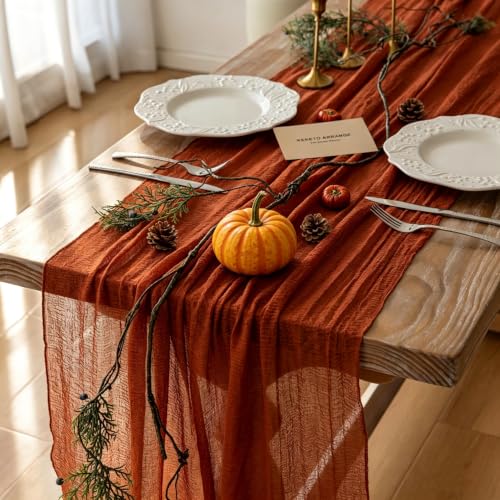
Use a linen or cotton tablecloth in a neutral tone, or skip the cloth entirely and use a runner over bare wood for a rustic feel. Layer a natural placemat, such as woven rattan or jute, under each plate. Keep the base simple so the florals and greenery stay the focus. You may also like Setting a Summer Table: 7 Steps for a Fresh, Easy Gathering.
Step 3: Build the Centerpiece
A garden centerpiece works best when it looks gathered rather than arranged. Use a low, wide vessel so guests can see across the table. Mix three types of material: a structural green such as eucalyptus or fern, a focal bloom such as roses or ranunculus, and a trailing element such as ivy. Scatter a few small candles or votives between arrangements, and keep the total height under 12 inches so conversation stays easy.
Quick centerpiece checklist
- One low, wide vessel or a row of small bud vases
- Three types of greenery, at least one with trailing stems
- Two or three focal blooms in one color family
- Small candles or votives set in the gaps
- Loose moss, pebbles or dried botanicals to hide the base
Step 4: Place the Dinnerware and Flatware
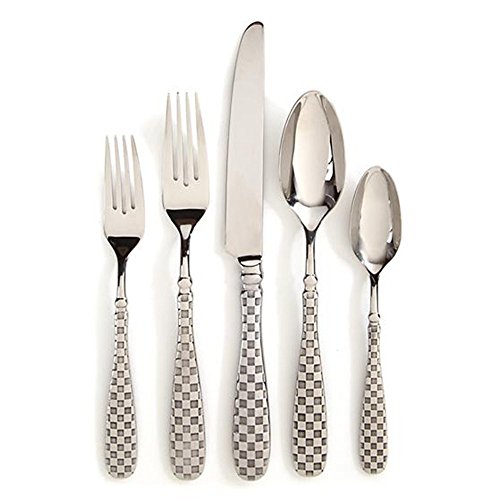
Set dinner plates about one inch from the table edge, with salad or appetizer plates on top. Place forks to the left and knives and spoons to the right, with the blade of each knife facing the plate. Glassware goes above the knife, with the water glass largest and the wine glass to its right. Keep the flatware finish consistent with your palette: brushed gold or aged brass suits a garden look better than high polish.
Step 5: Add Natural Texture at Each Place
Individual touches make guests feel welcome. Tie a napkin with twine or a sprig of rosemary, or slip a single bloom into a small glass. Name cards can be written on kraft tags or small stones. These details cost little time and reinforce the theme without cluttering the plate area.
Step 6: Layer in Lighting and Small Accents
Lighting sets the mood more than any other element. Use warm LED candles or battery-powered string lights woven through the greenery, and dim overhead lights if you can. Scatter a few garden-inspired accents such as birdcages, small terracotta pots or a watering can used as a serving vessel. Keep accents to a few per table so the setting still feels open.
Step 7: Do a Final Walkthrough
Stand at each seat and check the view. Make sure no greenery blocks sightlines across the table, and that candles are at least a few inches from any leaves. Confirm that napkins, glasses and place cards are all in place. Refresh cut flowers and mist the greenery about an hour before guests arrive.
Common mistakes
- Using too many colors, which makes a garden look cluttered instead of lush
- Choosing centerpieces tall enough to block faces across the table
- Relying on fresh flowers that wilt before the meal ends; add a few sturdy stems as backup
- Placing candles too close to dry greenery or loose linens
- Skipping the trial run, which hides spacing problems until the day of the party
Recommended gear
A set of low, wide glass vessels makes it easy to arrange blooms at a consistent height. View on Amazon
Flameless LED pillar candles give a warm glow without open flame near greenery. View on Amazon
Woven rattan placemats add the natural base layer that anchors a garden palette. View on Amazon
FAQ
How far ahead can I set a garden themed table?
You can set the linens, placemats, flatware and glassware the day before. Keep fresh flowers and greenery in water until the last hour, then arrange them so they stay crisp.
What greenery works best for a garden table?
Eucalyptus, fern, ivy and rosemary hold up well for several hours and offer a range of textures. Avoid greenery with strong scent or sap that can drip onto linens.
Can I use a garden theme for a small dinner party?
Yes. Scale the centerpiece down to a single bud vase or a small cluster of candles and keep the same palette. Smaller tables often look best with fewer accents.
Conclusion
A garden themed table setting works when the palette stays limited, the centerpiece stays low and the textures feel natural. Plan the colors first, build the layers in order and do a final walkthrough from each seat. For more layout ideas, see Garden Party Table Setting: 7 Steps for an Elegant Outdoor Table and Vintage Outdoor Table Setting: 8 Steps for a Charming Garden Party.
Related reading
- Italian Themed Table Setting: A Step-by-Step Guide for Hosts
- Yom Kippur Table Setting: A Step-by-Step Guide for Hosts
Ready to choose one?
About Miles Sinclair
Miles Sinclair is part of our editorial team and reviews and edits our holiday hosting guides, checking product details against manufacturer specifications and owner feedback.