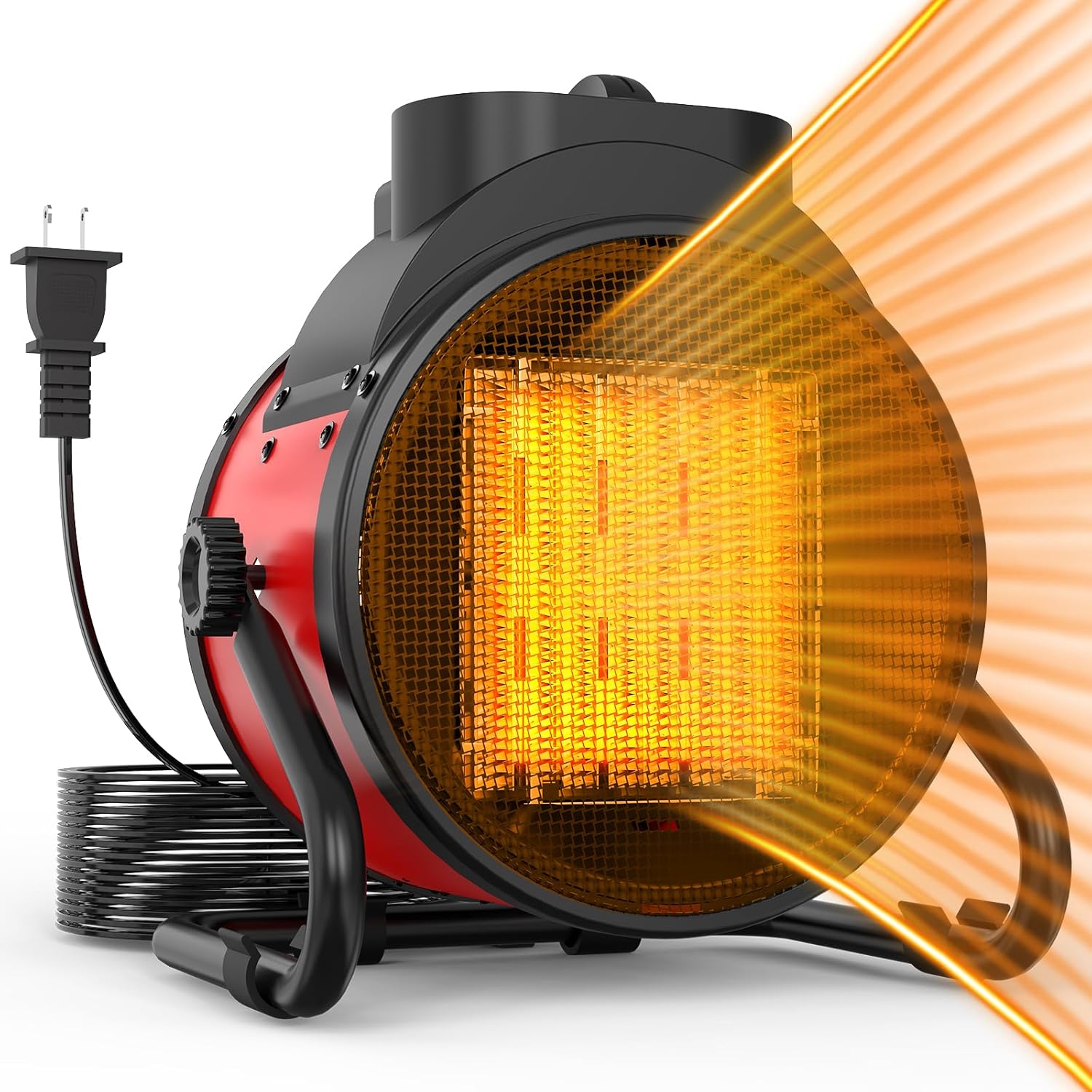
Hosting outdoors in cooler months often means finding a way to keep guests comfortable without turning your patio into a hazard zone. Patio heaters are a popular solution, but choosing the right type and setting it up safely is essential. This guide covers the main types of patio heaters, where and how to place them, and the critical safety rules you need to follow so your gathering stays warm and accident-free.
Types of Patio Heaters
Patio heaters generally fall into three categories based on their fuel source: propane, natural gas, and electric. Each has distinct advantages and trade-offs in terms of portability, heat output, installation requirements, and ongoing costs.
| Feature | Propane Heater | Natural Gas Heater | Electric Heater |
|---|---|---|---|
| Fuel source | Portable propane tank | Connected to home gas line | Standard electrical outlet |
| Portability | High – can move anywhere | Low – fixed installation | Moderate – cord length limits |
| Heat output | High | High (similar to propane) | Lower |
| Setup complexity | Simple – attach tank, light | Requires professional gas line | Plug in (may need GFCI outlet) |
| Operating cost | Moderate (propane refills) | Low (gas utility bill) | Varies by electricity rate |
| Carbon monoxide risk | Yes – outdoor use only | Yes – outdoor use only | No CO risk |
| Best for | Renters, temporary setups | Permanent patio heating | Small covered patios, balconies |
Propane heaters are the most common choice for home hosts because they are easy to move and do not require any permanent installation. Natural gas models are ideal if you already have a gas line near your patio and want a steady fuel supply without swapping tanks. Electric heaters produce no combustion fumes, making them safer for partially enclosed spaces, but they provide less heat and need a nearby outlet.
Outdoors Only
All combustion patio heaters – propane and natural gas – must be used outdoors only. Never operate them inside a garage, tent, enclosed porch, sunroom, or any space that is not open to the outside on all sides. These heaters produce carbon monoxide, an odorless, colorless gas that can cause illness or death in minutes when it builds up indoors.
Even if you leave a door or window open, a partially enclosed space can still trap dangerous levels of carbon monoxide. The only safe location is an area with ample natural airflow on all sides. Do not use a gas heater under a patio roof or awning unless the manufacturer’s instructions allow it, and then only with the clearances they list. Check the manufacturer’s instructions for specific clearance requirements from walls and ceilings.
Electric patio heaters do not produce carbon monoxide, so they can be used in more sheltered spots, such as a covered porch that is open on two or three sides. Still, avoid using them in fully enclosed rooms or spaces where moisture could create an electrical hazard.
Clearances and Placement
Proper placement of a patio heater is critical for both safety and effectiveness. Follow these guidelines when setting up your heater.
Stable, Level Surface
Place the heater on a flat, stable, non-combustible surface such as concrete, stone, or brick. Avoid grass, soft ground, or an uneven patio that could let it tip, and use it on a wood deck only if the manual allows it. Many propane heaters have a weighted base, but you should still check that the unit cannot be knocked over by wind or by someone brushing against it.
Clearance from Combustibles
Keep the heater at least the distance specified by the manufacturer away from anything that can burn: furniture, cushions, curtains, umbrellas, plants, paper decorations, and wooden structures. A common rule of thumb is three feet on all sides, but always defer to the manual that came with your heater. Gas heaters also need a minimum clearance above the top of the unit, listed in the manual; under a low ceiling or awning, the heat can damage the material or start a fire.
Tip-Over Shutoff
Most propane patio heaters have a tip-over safety shutoff switch. When the heater tilts past a certain angle, the gas flow is automatically cut off. Follow the manual’s instructions for checking this switch; never tip a lit heater to test it. If the switch is damaged, do not use the heater until it is repaired or replaced.
Wind Considerations
Strong wind can blow out the flame on a propane or natural gas heater, or cause it to burn unevenly. Position the heater so it is sheltered from gusts, but still in an open area. Never leave a heater unattended when wind is high. If the flame goes out, turn off the gas valve and wait several minutes before attempting to relight it.
Propane Tank Safety
Propane tanks require careful handling and storage to prevent leaks and accidents.
Storing Propane Tanks
Always store propane tanks outdoors, upright, and away from any source of ignition. Never keep them in a garage, shed, or basement, even temporarily. If you have a spare tank, store it in a well-ventilated outdoor area, such as a side yard, and keep it protected from direct sunlight and extreme heat. When not in use, close the tank valve tightly.
Connecting and Disconnecting
Before attaching a tank, inspect the valve and hose for cracks, dirt, or damage. Tighten the connection by hand only – do not use tools. After connecting, apply a soapy water solution to the connection points and watch for bubbles, which indicate a leak. If you see bubbles, close the tank valve, then tighten the connection or replace the seal and test again before lighting. Never use a match or lighter to check for leaks.
Transporting Tanks
When transporting a propane tank, keep it upright and secure it so it cannot roll or tip. Never leave a tank inside a hot car. If you are exchanging tanks at a refill station, place the empty tank in your vehicle with the valve closed and the protective cap on.
When to Replace a Tank
Propane tanks have a service life, typically stamped on the collar. If the tank is rusty, dented, or past its recertification date, do not use it. Dispose of old tanks through a local hazardous waste program or exchange them at a certified retailer.
To protect your heater from the elements and extend its life, consider using a patio heater cover when the heater is not in use. Covers keep rain, snow, and debris off the unit and help prevent rust on metal parts.
Electric Heaters Outdoors
Electric patio heaters are a good option for smaller spaces or for hosts who want zero combustion fumes. However, they come with their own electrical safety considerations.
GFCI Protection
All outdoor electrical outlets should be protected by a ground-fault circuit interrupter (GFCI). This device shuts off power if it detects a current leak, reducing the risk of shock. If your patio outlet is not GFCI-protected, have an electrician install one before using an electric heater. The National Fire Protection Association has more electrical safety tips.
Extension Cords
Use only heavy-duty extension cords rated for outdoor use and for the wattage of your heater. Keep the cord as short as possible and avoid running it through puddles or snow. Never use an indoor extension cord outdoors, and do not daisy-chain multiple cords. Plug the heater directly into the wall or GFCI outlet whenever possible.
Placement and Moisture
Position the electric heater so it is not directly exposed to rain or sprinklers. Even if the heater is rated as weatherproof, moisture can still cause electrical shorts. Keep the power cord and plug dry. If the heater has a remote control, store it indoors when not in use.
Heat Output and Coverage
Electric heaters typically produce less heat than gas models. For larger patios, you may need multiple units or a combination of heating methods. Because electric heaters do not produce carbon monoxide, you can place them closer to seating areas, but still keep the clearance from furniture and fabrics that the manual lists.
Other Ways to Stay Warm
Patio heaters are not the only way to keep guests comfortable during fall and winter gatherings. Consider these alternatives and supplements.
Outdoor Blankets and Throws
Provide a basket of cozy outdoor throw blankets for guests to drape over their shoulders or laps. This is a low-cost, portable solution that lets everyone adjust their own comfort level. Choose blankets made from wool, fleece, or synthetic materials that resist moisture.
Fire Pits and Fire Tables
A fire pit or fire table adds both warmth and ambiance to an outdoor gathering. However, local regulations may restrict open burning, especially in dry areas or during burn bans. Check with your local fire department or municipal codes before lighting a fire pit. Use only approved fire pit fuels (seasoned wood, propane, or natural gas) and never use gasoline or other flammable liquids to start or revive a fire. Place the fire pit on a non-combustible surface, at least 10 feet away from structures, trees, and seating. Always have a fire extinguisher or bucket of sand nearby.
Warm Beverages and Food
Serving hot drinks like coffee, tea, or cider helps guests feel warmer from the inside. Hearty soups, stews, or chili help too. If you are serving hot food outdoors, keep it at a safe temperature. The USDA recommends holding hot food at 140°F or above to prevent bacterial growth. For more details, see the USDA danger zone guidance and safe minimum internal temperatures chart.
Strategic Seating and Windbreaks
Arrange seating to block prevailing winds. Use outdoor curtains, portable screens, or even tall plants to create a windbreak. This can make a significant difference in how warm people feel, even without a heater. For more tips on hosting in cold weather, read our guide on hosting outdoors in cold weather.
Lighting for Warmth
Warm-colored string lights or lanterns can create a cozy atmosphere that makes the temperature feel less harsh. While they do not provide significant heat, they help guests relax and enjoy the evening. See our article on outdoor party lighting ideas for inspiration.
FAQ
Can I use a propane heater on a wooden deck?
Only if the manufacturer’s instructions allow it. Place the heater on a non-combustible pad or metal stand to protect the wood from heat and accidental tipping. Keep the heater at least the manufacturer’s recommended clearance away from deck railings, furniture, and any combustible materials. Never leave a propane heater unattended on a wooden deck.
How do I know if my patio heater is safe to use?
Before each use, inspect the heater for damage, check the gas connections for leaks with soapy water, and test the tip-over shutoff switch. Ensure the heater is on a stable, level surface and that all clearance requirements are met. If the heater is more than a few years old, check the manufacturer’s label for the date of manufacture and replace it if it is past its recommended service life.
What is the best type of heater for a covered patio?
For a covered patio that is open on at least two sides, an electric heater is often the safest choice because it produces no carbon monoxide. If you prefer a gas heater, make sure the manual allows use under a cover, that you meet its ceiling clearance, and that the space is well-ventilated. Always follow the manufacturer’s clearance guidelines for covered areas.
Can I leave my patio heater on overnight?
No. Never leave any combustion heater (propane or natural gas) unattended or running while you sleep. Turn off the heater and close the gas valve when you are done using it. Electric heaters should also be turned off and unplugged when not in use.
Choosing the right patio heater and setting it up safely allows you to extend your outdoor hosting season well into fall and winter. Whether you go with propane, natural gas, or electric, always prioritize ventilation, stable placement, and proper storage of fuel. Combine your heater with blankets, windbreaks, and warm food and drinks for a comfortable gathering that your guests will remember.