 By Lauren Holland
Updated November 2026
Gold plastic serving platters give you the look of metallic serveware without the weight, breakage risk or polishing routine. In this guide, you will learn how to pick the right size and finish, plan how many platters your table needs, style them for a holiday spread, and keep them looking good season after season. Gold plastic serving platters work especially well for buffets, dessert tables and casual parties where you want a festive touch without worrying about a dropped tray.
Step 1: Decide How Many Platters You Actually Need
Before you shop, count the dishes you plan to serve. A common mistake is buying one large platter and trying to fit everything on it. Crowded platters look messy and make it hard for guests to take what they want.
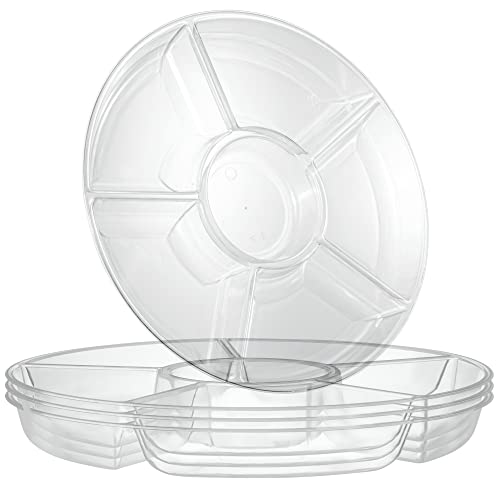
Shopping for one? See our guide: Top 5 Clear Plastic Serving Platters for Entertaining in 2026.
As a rough guide for a buffet-style party, plan on one platter for every three to five main dishes or appetizer types. For a dessert table, one platter per two or three sweets is usually enough. Leave at least two inches of space between items so guests can lift food without knocking neighboring dishes.
Quick planning checklist
- List every food item you will serve, grouped by type (meats, sides, breads, desserts).
- Assign each group to a platter. Note whether it is a finger food, a dish that needs a spoon, or something that will sit out for hours.
- Count your guests and estimate how many will go back for seconds. Add one extra platter if you expect a crowd.
- Check your table or buffet length. Measure before you buy so the platters fit with room to walk around them.
Step 2: Choose the Right Size and Shape
Plastic platters come in rectangles, ovals, rounds and squares, and sizes vary widely across brands. Most hosts end up with a mix of three sizes so the table has visual height and variety.
| Platter size (approximate) | Best used for | Typical fit |
|---|---|---|
| Small (about 8 to 10 inches) | Cheese cubes, dips with crackers, individual sweets | Side tables, cocktail hour |
| Medium (about 12 to 15 inches) | Cookies, sliced meats, roasted vegetables | Main buffet line, dessert table |
| Large (about 18 inches or more) | Turkey, roast, a whole cake or large appetizer spread | Center of the table or buffet |
Manufacturers typically list dimensions in the product details, so compare those numbers rather than relying on photos. Oval and rectangular shapes suit long tables and hold several items in a row. Round platters work well for dips, cheese boards and a single centerpiece dish.
Step 3: Evaluate the Gold Finish and Plastic Quality
Not all gold finishes look the same. Some are a bright, shiny metallic tone, while others lean matte or champagne. Look at product photos in natural light if you can, and check whether the description mentions a plated, painted or foil-style finish.
Finish types to compare
- High-gloss gold: Reflects light and reads as formal. It shows fingerprints more easily, so keep a soft cloth nearby.
- Matte or brushed gold: Softer and more forgiving with smudges. It blends well with wood, linen and neutral tableware.
- Champagne or antique gold: Warmer and less bright. It pairs well with candles and cream-colored dishes.
Check whether the rim is raised or flat. Raised rims help keep sauces and small items from sliding off. Also look at the base. A textured or weighted base resists sliding on tablecloths better than a smooth one.
Material and sturdiness
Thicker plastic feels more substantial and resists warping. Many manufacturers describe their platters as melamine or polycarbonate, and those materials handle everyday use well. Check the product description for the material name and any stated temperature limits.
Step 4: Plan the Food Safety Basics
Gold plastic serving platters are designed for serving, not cooking. Most are not meant for oven use or direct contact with a hot stove. Always read the manufacturer’s care label before placing hot food on a platter.
- Confirm the maximum temperature the platter can handle. Many are rated only for warm or room-temperature foods.
- Do not place a platter directly under a broiler, in an oven, or on a burner.
- Use a trivet or heat-safe charger under hot dishes if you are unsure.
- Keep cut citrus, very acidic sauces or heavily oiled foods on the platter for short periods. Some plastics can dull or stain over long contact.
- Refrigerate perishable foods in separate containers rather than leaving them on a platter for several hours. Follow standard food safety guidance on how long foods can sit out at room temperature.
If you have questions about food safety or temperatures for a specific dish, check with your local food safety authority or a qualified food professional.
Step 5: Style the Platters for a Holiday Table
Gold reads as festive, so pair it with colors that complement it. Deep green, burgundy, cream and natural wood all look elegant beside gold plastic. Layer the platters at different heights using a few inverted bowls or sturdy boxes wrapped in fabric.
Simple styling method
- Start with your largest platter in the center or at the back of the buffet.
- Place medium platters on either side to create a balanced triangle.
- Add small platters or bowls in the gaps. Vary the heights so the eye moves across the table.
- Tuck in greenery, candles or ribbon, keeping flames away from plastic and fabric.
- Fill platters from the back to the front so the arrangement looks full from every angle.
Step 6: Clean and Store Them Properly
Hand washing with warm water and mild dish soap is the gentlest option. Avoid abrasive scrubbers, which can scratch the gold finish and leave dull patches. Dry thoroughly with a soft towel to prevent water spots.
Many hosts prefer to wash platters by hand, but check the care instructions. If the manufacturer says the product is dishwasher safe, use the top rack and avoid high-heat drying cycles, which can cause warping or fading over time.
For storage, stack platters with a soft cloth or paper towel between each one. Keep them flat in a cool, dry place away from direct sunlight, which can dull metallic finishes. Store them in a box or bin rather than stacking heavy items on top.
Common mistakes
- Overcrowding. Give each food item breathing room. Guests are more likely to take food when they can reach it easily.
- Using the wrong platter size. Measure your table before buying. A platter that hangs over the edge looks unstable.
- Serving hot food on unrated plastic. Always confirm temperature limits.
- Scrubbing with abrasive pads. This is the fastest way to dull the gold finish.
- Ignoring the rim. A flat rim lets sauces and small pieces slide off during serving.
- Buying all one size. Mixing sizes gives your table height and visual interest.
Tips for a polished look
- Use a small brush or dry cloth to remove crumbs between courses rather than rinsing mid-party.
- Place a thin liner, such as parchment or a decorative napkin, under sticky foods like glazed meats or sweets.
- Keep a few spare platters on hand for refills so you never have to scrape a dish clean and reuse it.
- Test the look at home with your planned centerpiece and lighting before the guests arrive.
Recommended gear
These supplies can help you keep gold plastic serving platters looking their best during and after your event.
- Soft microfiber cleaning cloths: These lift fingerprints and dust from glossy finishes without scratching. View on Amazon
- Heat-resistant trivets or cork trivet mats: A protective base keeps warm dishes from touching the platter surface directly. View on Amazon
- Parchment paper sheets for serving: A thin liner protects the platter from sticky glazes, sauces and oils. View on Amazon
- Felt or fabric platter pads for stacking: These protect the finish when you store platters in a stack. View on Amazon
FAQ
Are gold plastic serving platters dishwasher safe?
It depends on the product. Some manufacturers say their platters are dishwasher safe on the top rack, while others recommend hand washing only. Check the care label or product description before you run a cycle.
Can I put hot food on a gold plastic platter?
Only if the manufacturer states the platter is rated for that temperature. Many are designed for room-temperature or warm foods. When in doubt, place a heat-safe trivet under a hot dish.
How do I remove scratches or dull spots from the gold finish?
Light surface dullness often improves with a gentle wash and a soft dry cloth. Deep scratches cannot be fully repaired, so prevent them by avoiding abrasive pads and stacking platters with protective padding.
What size platter works best for a turkey or large roast?
Choose a large oval or rectangular platter, typically around 18 inches or longer, so the roast sits with room around it for carving tools and side dishes. Measure your roast and leave a few inches of clearance on every side.
How many gold serving platters should I buy for a party?
For a buffet with several main dishes, three to five platters in mixed sizes usually covers the table. For a dessert table, two or three medium platters are often enough. Adjust based on guest count and how many items you plan to serve.
Do gold plastic platters fade in sunlight?
Prolonged direct sunlight can dull metallic finishes over time. Store platters in a cool, shaded place between events and avoid leaving them in a sunny window for long periods.
Can I use these platters for cakes and desserts?
Yes, medium and large platters work well for cookies, bars and sliced cakes. Place a cake on a cake board or a paper doily first to protect the finish from frosting and moisture.
Conclusion
Gold plastic serving platters can make a holiday table look polished without the fragility of glass or the weight of metal. Plan your platter count, choose sizes and finishes that suit your table, and follow the manufacturer’s temperature and cleaning guidance. With a few simple habits, your platters will look festive for many gatherings to come.
Related reading
- Large Gold Serving Platters: 4 Best Picks for Holiday Hosting
- 7 Best Plastic Serving Trays and Platters for Entertaining (2026)
- 3 Best Large Plastic Serving Platters for Entertaining (2026)
- Vintage Glass Serving Platters: 6 Best Picks for Every Table
- Vintage Clear Glass Serving Platters: 5 Best Picks for Entertaining (2026)
Ready to choose one?
About Lauren Holland
Lauren Holland is part of our editorial team and reviews and edits our holiday hosting guides, checking product details against manufacturer specifications and owner feedback.