Hosting an outdoor event at home often means providing shelter from sun, wind, or light rain. The two main options are a pop-up canopy and a larger party tent. Your choice depends on guest count, surface type, weather conditions, and how long you need the shelter. This guide covers sizing, sidewalls, anchoring, wind safety, heat sources, and whether to rent or buy.
Pop-Up Canopy or Party Tent
A pop-up canopy is a portable, collapsible frame with a fabric top, typically 10×10 feet. It sets up in minutes by one or two people and is ideal for smaller gatherings, a buffet table, or a designated shade area. Party tents are larger structures that may require multiple people or professional setup. They come in sizes from 10×20 feet up to 40×60 feet or more, often with frame or pole designs. Party tents offer more headroom, stability, and customization options such as sidewalls and flooring.
Consider a pop-up canopy if you need a quick, temporary shelter for a few hours and have a small group. Choose a party tent for larger events, longer durations, or when you want a more permanent-looking structure. Party tents also handle wind better when properly anchored, but they are heavier and take longer to set up.
Sizing It
Size your shelter based on the number of guests and the furniture you plan to place underneath. A common rule of thumb is that a 10×10 foot canopy comfortably seats about 8 to 10 people at round tables, or a buffet table with standing room. For seated dining at round tables, a 10×20 foot tent fits roughly 20 to 24 guests. A 20×20 foot tent accommodates 40 to 50 seated guests. If you need space for a dance floor, stage, or bar, add extra square footage.
When sizing, also account for walkways, serving stations, and any equipment like coolers or sound systems. It is better to have slightly more space than too little. If you are unsure, measure your outdoor area and sketch a layout. Consider renting a larger tent if your guest list exceeds 30 people, as party tents offer more flexibility.
| Tent Size | Typical Seated Capacity (round tables) | Best For |
|---|---|---|
| 10×10 ft | 8–10 guests | Small family gatherings, buffet or gift table |
| 10×20 ft | 20–24 guests | Medium backyard parties, small celebrations |
| 20×20 ft | 40–50 guests | Larger events with dancing or multiple stations |
| 20×30 ft or larger | 60+ guests | Weddings, milestone birthdays, community events |
For rectangular tables (6- or 8-foot), a 10×20 tent holds about 16–20 guests seated at two rows. Always check the tent manufacturer’s capacity guidelines for your specific model.
Sidewalls and Shade
Sidewalls provide protection from wind, rain, and sun. They can also create privacy and define the event space. Most pop-up canopies come with optional sidewalls that attach with zippers or hook-and-loop strips. Full sidewalls enclose the entire tent, while half walls leave the top portion open for ventilation. For party tents, sidewalls are often sold separately or included in rental packages.
Consider sidewalls if you expect strong wind, light rain, or intense afternoon sun. They also help contain cool air from fans or misters on hot days. However, sidewalls can trap heat, so on a mild day you may prefer open sides. Some canopies have mesh sidewalls that keep bugs out while allowing airflow. For evening events, sidewalls can also block light from nearby street lamps.
Shade is the primary purpose of any canopy or tent. The fabric’s opacity matters: a lighter color reflects heat but may let some light through, while darker fabric blocks more sun but can get hotter underneath. Party tent tops are often vinyl or heavy-duty polyester. If you plan to use the shelter during peak sun hours, choose a fabric with a high UPF rating if available.
Anchoring It Properly
An unanchored canopy or tent can become a dangerous projectile in a gust of wind. Proper anchoring is essential for safety. The method depends on the surface you are setting up on.
On Grass or Soil
Use stakes that are at least 8–12 inches long, driven through the frame’s leg holes or attached to the frame with straps. For larger party tents, use auger-style stakes or screw-in anchors for extra holding power. Drive stakes at an angle away from the tent to resist lifting. Check that the ground is not too hard or rocky; you may need a mallet or drill attachment. On grass, stakes hold better than weights alone.
On Hard Surfaces (Concrete, Asphalt, Pavers)
Stakes cannot penetrate hard surfaces. Use canopy weights such as sandbags, water barrels, or concrete blocks. A common recommendation is at least 40 pounds per leg for a 10×10 canopy, and more for larger tents; follow the manufacturer’s guidance. Attach weights directly to the frame using straps or clips. Do not simply place weights on top of the legs, as they can slide off. For party tents, rental companies usually provide appropriate weights or recommend specific types.
On Sand or Loose Soil
Use long sand stakes (at least 18 inches) or screw-in anchors. You may need to dig a small hole to set the stake deeper. Some pop-up canopies have optional sandbag pockets on the legs. Fill these with sand or gravel for added stability.
Always check the manufacturer’s instructions for your specific canopy or tent. Do not assume that the included stakes are sufficient for your ground type. If you are unsure, consult a local rental company or hardware store.
Wind and Storms
Wind is the biggest risk for any temporary shelter. An unanchored pop-up canopy can blow over in a modest gust. Party tents are more stable but still vulnerable. Follow these safety guidelines:
- Check the weather forecast before setting up. If strong or gusty winds are forecast, skip the canopy or take it down, and follow the manufacturer’s wind guidance.
- If wind picks up during the event, lower the canopy if possible (many pop-ups have adjustable height) or take it down completely. Never leave a canopy unattended in windy conditions.
- Never seek shelter under a canopy or tent during a thunderstorm with lightning. The metal frame can conduct electricity. Move guests indoors or into a hard-topped vehicle.
- For party tents, ask the rental company whether to open or remove sidewalls in wind, since closed walls can catch the wind like sails.
- If you are renting a party tent, ask the rental company about wind ratings and their policy for canceling due to weather.
When anchoring on grass, stakes can pull out in saturated soil. If rain is expected, consider using additional weights or moving the tent to higher ground. Never tie a canopy to trees or fences, as that can damage the structure and create uneven tension.
Grills and Heat Sources
Never place a charcoal or gas grill, propane heater, or any open-flame device under a canopy or tent unless the manufacturer explicitly states it is safe. The heat can melt or ignite the fabric, and carbon monoxide can accumulate even in partially open structures. Keep grills at least 10 feet away from the tent, and ensure they are on a stable, non-flammable surface.
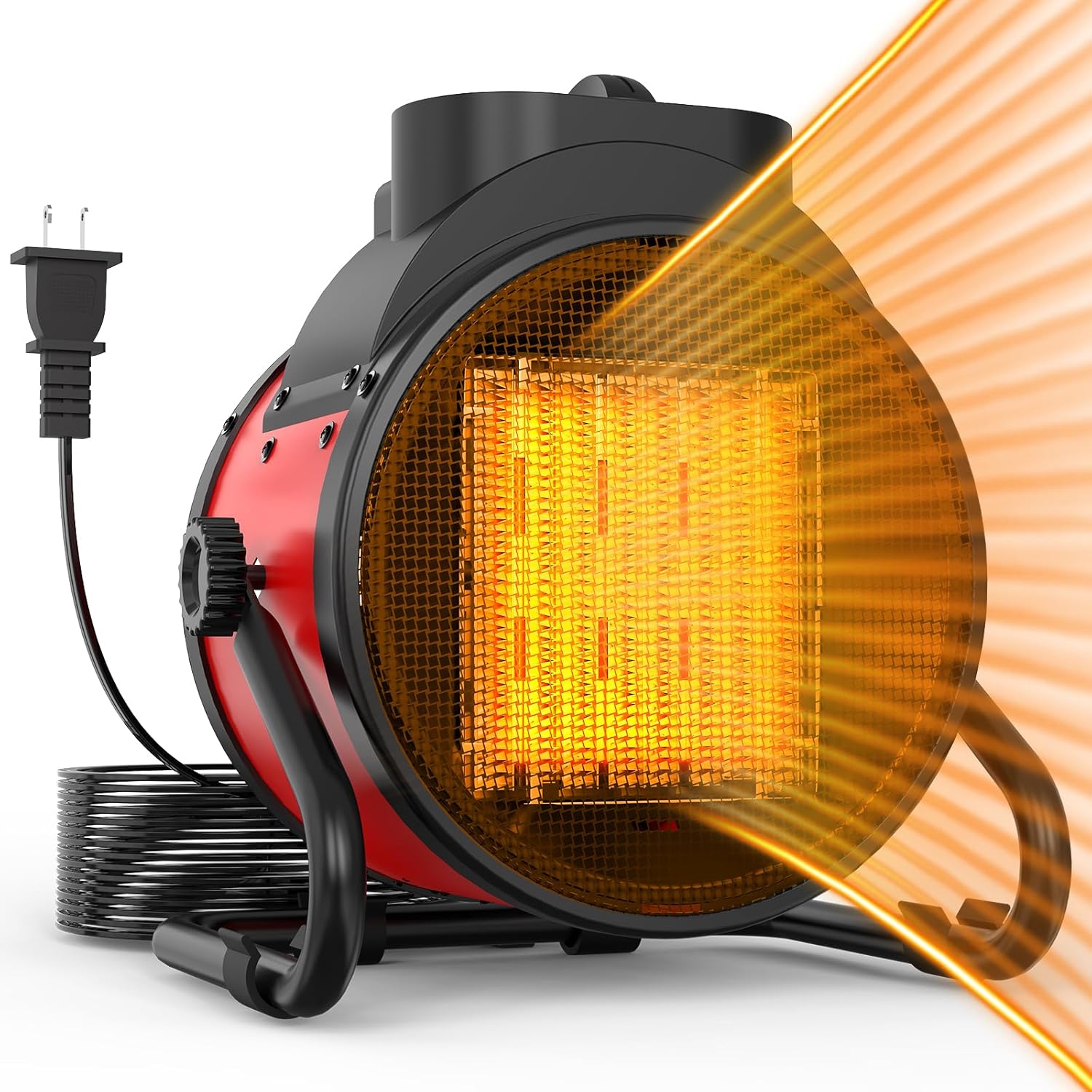
If you need a heat source for a cool evening event, consider electric patio heaters that are designed for outdoor use and have a tip-over shutoff. Place them away from the fabric and never under the canopy top. For cooking, set up a separate cooking station away from the tent. If you are using a fire pit, keep it well away from the shelter and follow local fire regulations.
Some party tents are made with flame-retardant fabric, but that does not make them safe for direct heat. Always check the manufacturer’s instructions. When in doubt, err on the side of caution and keep all heat sources outside the tent footprint.
Rent or Buy
Deciding whether to rent or buy depends on how often you will use the shelter and your storage space.
When to Rent
Renting is ideal for a one-time event, such as a milestone birthday, graduation, or wedding. Rental companies deliver, set up, and take down the tent, saving you time and effort. They also provide proper anchoring, sidewalls, and sometimes flooring. Renting gives you access to larger sizes and professional-grade tents that are more stable than most pop-up canopies. If you have a large guest list (over 30) or need a tent for more than a day, renting is often the better choice.
When to Buy
Buying a pop-up canopy makes sense if you host multiple small events each year, such as backyard barbecues, 4th of July celebrations, or tailgates. A 10×10 or 10×20 pop-up canopy can be stored in a garage and set up quickly. Look for models with a sturdy steel or aluminum frame, a vented roof to reduce wind lift, and replaceable parts. If you buy, invest in quality pop-up canopies that include a carrying bag and warranty. Party tents are more expensive and harder to store, so buying one is only practical if you have a large space and plan to use it many times.
For backyard party planning, a rented party tent offers peace of mind for larger gatherings, while a pop-up canopy is a versatile tool for smaller, impromptu events. Consider your budget, storage, and frequency of use before deciding.
FAQ
Can I use a pop-up canopy on a windy day?
It is not recommended. Even with proper anchoring, pop-up canopies are not built for strong or gusty wind; check the manufacturer’s wind guidance. If wind is forecast, either postpone or use a heavier party tent with professional anchoring.
How do I clean and store my canopy after use?
Let the fabric dry completely before folding to prevent mildew. Wipe down the frame with a damp cloth. Store in a cool, dry place away from direct sunlight. Most canopies come with a storage bag; use it to protect the fabric from dust and pests.
Do I need a permit for a party tent in my backyard?
Check with your local municipality. Some areas require a permit for larger tents or bigger events, and the rules vary. Rental companies often handle permits, but if you buy, verify the rules yourself.
Can I attach string lights or decorations to the tent frame?
Yes, but use battery-operated or low-voltage lights and avoid overloading the frame. Do not hang heavy items from the center of the canopy, as that can cause sagging or collapse. Use clips designed for tent frames, not tape or nails.
Choosing the right shelter for your outdoor event comes down to guest count, weather, and how much effort you want to invest in setup. A pop-up canopy works well for small, casual gatherings, while a party tent is better for larger, more formal occasions. Always prioritize safety with proper anchoring and wind awareness. Whether you rent or buy, you will create a comfortable space for your guests to enjoy the celebration.