A drink dispenser turns a batch of punch, lemonade, or iced tea into a self-serve centerpiece for a party at home. The right model depends on the drink, the guest list, and the setting. This guide walks through the material choices, the spigot, ice handling, stands, sizing, cleaning, and hot drink airpots so you can buy with confidence.
For a full look at the styles available, see the drink dispensers section of this site.
What a drink dispenser does and who it suits
A drink dispenser is a lidded container with a spigot near the bottom, made for serving beverages without pouring from a heavy pitcher. It suits anyone hosting a party where guests will help themselves: birthdays, holiday dinners, brunches, and backyard cookouts. It also works well for everyday use when you want to keep a pitcher of water or tea in the fridge, but the main benefit is freeing the host from refilling glasses.
If you are deciding whether a dispenser belongs on your table, think about how many people you usually host and how much you want to interact with the drink station. A dispenser is most useful when you have a drink that will be consumed over an hour or more, because it holds a large batch and lets guests serve themselves as needed.
Glass versus plastic dispensers
The first decision is the jar material. Glass is clear, heavy, and feels more formal. It also does not absorb odors, so you can switch from punch to iced tea to water without carrying a previous scent. Plastic is lighter and less likely to break, making it a safer choice for outdoor events or parties with children. The trade-off is that plastic can scratch and may hold onto flavors if it is not cleaned well.
| Material | Best for | Watch out for |
|---|---|---|
| Glass | Indoor parties, formal gatherings, drinks that should shine visually | Breakage, weight when full, careful handling |
| Plastic | Outdoor events, kids parties, casual self-serve | Scratches, retained odors, heat sensitivity |
Look for a lid that seals firmly, especially if you plan to transport the dispenser full. A wide opening makes filling and cleaning easier. Check whether the material is rated for hot liquids if you might use it for warm cider.
Spigot quality and leak testing
The spigot is the part that gets the most use, and a weak spigot can ruin an event. Look for a spigot with smooth operation, a secure gasket, and threads that fit snugly into the jar. Metal spigots are generally more durable than lightweight plastic ones, but the most important point is the seal. Make sure the spigot is removable so you can take it apart and clean it.
Test every new dispenser before you fill it with party drinks. Set it on a counter, fill it with water, wipe the outside dry, and leave it for a short period. Open and close the spigot several times to see how the water flows and whether it drips after you close it. If there is a leak, remove the spigot, inspect the gasket, and reattach it according to the manufacturer’s instructions. Do not over-tighten; a cracked thread or distorted gasket can make a leak worse.
For events where guests will be filling cups over a long afternoon, position the spigot so the cup can sit below it without touching the container. A spigot with a drip tray is helpful, but you can also place the dispenser over a towel or a shallow tray.
Ice cores and keeping drinks cold
Ice cubes cool a drink quickly, but they also dilute it as they melt. An ice core is a sealed freezer insert that chills the liquid without adding water. Many dispensers have a center cavity for an ice core or ice rod. If your model does not, you can freeze a smaller container of juice to use as the core, as long as it fits through the opening.
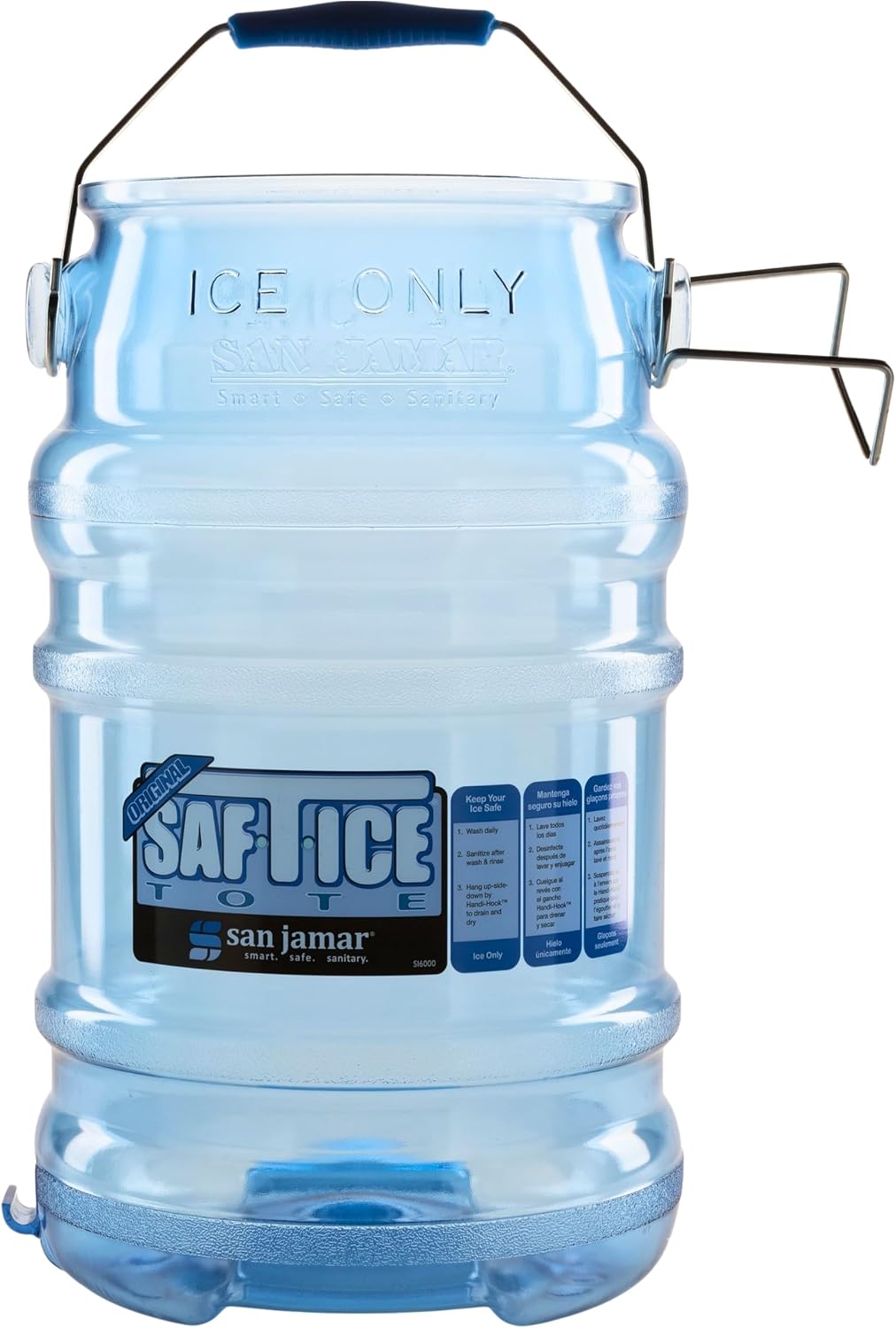
Another option is to chill the drink before pouring it into the dispenser. Cold punch or tea from the refrigerator needs less ice to stay cold. For a long party, set out backup drinks in another container, and add ice to the dispenser only after guests arrive. You can also keep a separate supply of ice nearby; our ice buckets and drink tubs guide covers the best ways to hold ice without cluttering the serving table.
Never add dry ice directly to a drink dispenser unless the manufacturer explicitly says it is safe. Dry ice can cause burns and create pressure inside a sealed container. Follow the manufacturer’s guidance for any freezer insert or cooling product.
Stands and serving height
A dispenser sitting directly on a table works fine for short gatherings, but a stand raises the container so guests can slide a cup under the spigot easily. Stands also make the drink area more visible and encourage self-service. Some dispensers come with a sturdy base, while others need a separate stand.
If you buy a dispenser and stand separately, confirm that the stand fits the dispenser’s base and can support the weight of a full container. A wobbly stand creates spills. Look for non-slip feet and a flat, stable surface for the jar.
For a large gathering, a raised setup is especially useful because it reduces the chance of a tipped glass. If you want a complete setup, browse drink dispensers to compare models that include a stand.
Sizing for the crowd
Choose a dispenser that holds more than the amount you plan to serve, not exactly the amount. Guests take refills, glasses have leftover ice, and the ice core or ice cubes take up space inside the jar. If you are serving two drink options, give each its own dispenser. A full dispenser per drink option is a simple way to avoid a bottleneck at the bar.
For a small family dinner or a quiet brunch, a compact dispenser is easier to handle and store. For a holiday party or a backyard get-together, a large model or two medium dispensers work better. Before you mix the batch, review how to batch drinks for a party so you know exactly what to prepare and how much to keep in reserve.
Remember that a full dispenser is heavy. Place it on a table that can support the weight, and do not carry it by the spigot or the lid. Use both hands on the body when moving it, or use a cart if you need to transport it full.
Hot drinks and insulated airpots
If you want to serve coffee, hot cider, or mulled wine, a standard glass dispenser is often not enough to keep the drink hot. An insulated airpot is a better choice. Airpots are thermal containers with a pump or lever at the top, so guests can pour one cup at a time without opening a large lid. The insulation holds heat, which keeps the drink hot for a longer serving period.
Airpots are available in sizes suited to a family gathering or a larger party. Compare the capacity and the pouring mechanism to your needs. Some models have a separate pump that can be removed for cleaning. Check the manufacturer’s instructions for dishwasher safety and for how to clean the inner lining.
For warm drinks that you want to keep visually appealing, set up the airpot next to a basket of mugs or a cup warmer. You can also offer a hot water dispenser for tea and cider. Having a dedicated hot drink station keeps guests from lifting a large pot repeatedly.
Care, cleaning, and upkeep
Clean the dispenser after every use, especially if it held sugary drinks, juice, or dairy punch. Bacteria can grow in leftover sweet liquid, and stuck-on sugar is harder to remove later. Start by emptying the dispenser and rinsing it with warm water. Remove the spigot, gasket, lid, and ice core, and wash each piece in warm soapy water. A bottle brush helps reach the bottom corners.
Check the manufacturer’s instructions before putting any part in the dishwasher. Glass jars may be dishwasher safe, but plastic parts can warp or cloud. Airpots often need hand washing, and the interior of a thermal container should be cleaned with care to avoid damaging the lining.
For tough stains or a lingering odor, use a solution recommended by the manufacturer, then rinse thoroughly. Do not use abrasive scrubbers on plastic because scratches will trap bacteria. Dry every part completely before reassembling, and store the dispenser with the lid open or loosely placed so moisture does not build up inside.
If the spigot starts to drip after heavy use, replace the gasket rather than buying a whole new container. A small stock of replacement gaskets is useful if you host often. You can keep it with your home bar tools so it is easy to find.
Common buying mistakes
Many party hosts choose a dispenser they love visually but hate to use. The biggest mistake is ignoring the spigot. A stiff lever, a fast flow, or a drip after each pour will annoy guests and make a mess. Test the spigot before buying if you can, or at least read the spec sheet for removable parts.
Another mistake is using regular ice cubes in a punch that will sit out for hours. The ice melts fast and the drink becomes watery. Plan for an ice core, a pre-chilled batch, or a way to add ice in a separate container.
Stands are also easy to overlook. Guests should not have to bend over or tilt a large container to fill a cup. If the dispenser is low, set it on a sturdy counter-height surface or choose one with a stand.
Finally, do not buy a glass dispenser for an outdoor party on a hard surface unless you are prepared for breakage. Plastic or a dispenser on a stable stand is often safer. And always match the dispenser to the drink temperature; a model that is not rated for hot liquid should not be used for hot cider.
FAQ
How do I test a drink dispenser for leaks?
Fill it with water, wipe the outside dry, and let it sit on a counter. Open and close the spigot a few times, check the lid, and look for drips. If you find a leak, take apart the spigot and reseat the gasket according to the manufacturer’s instructions.
Should I choose glass or plastic?
Glass looks nicer for an indoor party and does not hold odors. Plastic is lighter and safer around children or on a patio. Choose based on where you will serve, how often you host, and how much weight you can handle when the dispenser is full.
How can I keep drinks cold without watering them down?
Chill the drink before adding it, use an ice core or sealed freezer insert, or keep the dispenser in a shaded spot. You can also set an ice bucket nearby so guests can add ice to their own cups. Follow the manufacturer’s instructions for any cooling insert.
What is the best way to serve hot drinks?
Use an insulated airpot or a thermal dispenser designed for hot liquids. These keep coffee and cider warm while protecting guests from a hot glass container. Check the spec sheet for capacity and cleaning instructions before you buy.
Choosing a drink dispenser does not have to be complicated. Decide on the material, check the spigot, plan for ice, size the container to your crowd, and think about a stand if you want easy serving. For hot drinks, choose an insulated airpot instead of a glass jar. With the right model, guests can help themselves and you can spend more time hosting.