Holiday parties usually bring together a mix of people: close family, new partners, coworkers, neighbors, and old friends who have never met. Icebreaker games are a simple way to get conversations flowing, but they only work when they feel optional, low-pressure, and genuinely fun. The best holiday icebreakers are short, easy to explain, and easy to join at any point in the evening.
What makes a holiday icebreaker work
A good icebreaker for a holiday party does not feel like a team-building exercise. It should feel like a natural part of the gathering, something guests can dip into without being put on the spot. Games that work best for mixed groups share a few qualities.
First, they are simple to explain in under a minute. If the rules take longer to describe than the game takes to play, guests will tune out. Second, they allow people to pass. A guest who prefers to watch should be able to watch without anyone making a fuss. Third, they give everyone something to talk about afterward. The goal is not to crown a winner; it is to help people find common ground.
These games suit almost any holiday gathering, from a small dinner with extended family to a larger open-house party. They are especially useful when guests arrive at different times, because a game can start with a few people and others can join mid-round.
Main types of icebreaker games
Most holiday icebreakers fall into a few familiar categories. Each has a different feel, so you can pick the one that matches your group and the mood you want to create.
Name games
Name games are the classic choice when many guests are meeting for the first time. The simplest version has each person say their name and pair it with a holiday word that starts with the same letter, such as “Merry Megan” or “Jolly James.” The next person repeats the previous names before adding their own, which helps everyone learn the names through repetition.
A gentler variation is the holiday memory game: each guest shares their name and one favorite holiday memory, such as a childhood tradition, a special meal, or a funny travel story. This gives people a real detail to remember and often sparks follow-up conversations during dinner.
Two truths and a lie
Two truths and a lie is a favorite because it works with any group size and needs no supplies. Each person shares two true statements and one made-up statement about themselves, and the rest of the group guesses which one is the lie. For a holiday twist, ask guests to make one of the truths holiday-related, such as “I have never seen a Christmas movie in theaters” or “I bake cookies every year with my grandmother.”
This game works best when you keep the stakes low. The goal is conversation, not interrogation, so encourage guests to choose lighthearted facts and remind everyone that guessing wrong is part of the fun.
Holiday trivia
Holiday trivia is a great option for groups that enjoy a little friendly competition. Keep the questions broad enough that everyone has a chance: classic holiday songs, popular seasonal foods, well-known traditions, and general winter holiday history. Avoid questions that only superfans would know, and let guests play in teams so no one feels singled out.
You can write your own questions ahead of time or use a set of party game cards with conversation prompts and trivia to keep things moving. Teams can answer on paper, or you can simply call out questions and let the first team to raise a hand take a turn.
Group scavenger hunts
A scavenger hunt gets people moving and talking without requiring anyone to perform. For a holiday party, keep it simple: make a list of things guests can find in the room or in their pockets, such as a holiday-themed sweater, a phone photo of a pet, a coin from a certain year, or something red. The first person or team to collect every item wins a small prize, or you can skip the prize and just play for bragging rights.
A photo-based version works well for larger parties: give each team a list of silly holiday poses to capture on a phone, such as a group reindeer selfie or a “snowman” made from three guests. This version gets people laughing and creates memories without needing any physical items.
A quick comparison
| Game type | Best for | What you need | Pace |
|---|---|---|---|
| Name games | Guests meeting for the first time | Nothing | Short and gentle |
| Two truths and a lie | Small to medium groups | Nothing | Flexible rounds |
| Holiday trivia | Friendly competition | Question cards or a list | Can stretch or shorten |
| Group scavenger hunt | Large or active groups | A list, phones for photos | Energetic |
Keeping games low-pressure and optional
The most important rule for holiday icebreakers is that participation must be optional. Some guests genuinely dislike games, and forcing them to join can make the whole party uncomfortable. Set the tone by inviting people to play rather than requiring it, and make it clear that watching is welcome.
One easy way to keep things low-pressure is to offer a pass. Let guests say “I will just watch this round” without any follow-up. You can also structure games so that shy guests can participate in small ways, such as holding up a card or helping keep score, without having to speak in front of the whole group.
Teams are another effective tool. When guests play in pairs or small groups, no one has to answer alone, and the conversation happens naturally among teammates. This is especially helpful for trivia, where a team can discuss an answer before committing to it.
Finally, watch the room. If people are laughing and talking, let the game continue. If the energy dips or guests start checking their phones, wrap it up quickly and move on. A short game that leaves people wanting more is better than a long game that drags.
Adapting games to your group
Every holiday party is different, so adjust the games to fit your specific guests.
Group size
For a small group of six to ten people, name games and two truths and a lie work well because everyone gets a turn. For a larger party, divide guests into teams or use a scavenger hunt that gets people moving around the room. Trivia also scales well, since teams can be as large as you need.
Ages and abilities
Mixed-age gatherings need games that everyone can play. Keep questions and prompts accessible to both kids and older adults, and avoid games that require quick physical movement if some guests have mobility limitations. A photo scavenger hunt can be done seated if you let guests use pictures from their phone instead of running around.
Familiarity
If most guests already know each other, choose games that reveal something new, such as two truths and a lie or a holiday memory game. If many guests are strangers, start with a simple name game before moving to anything more involved. The goal is to build comfort gradually.
Remote guests
If some guests are joining by video call, choose games that work across a screen. Trivia questions read aloud work well, and a photo-based scavenger hunt can include remote players who search their own homes for items. Name games also translate easily to video.
Common hosting mistakes
Even well-intentioned icebreakers can go wrong. Here are the most common mistakes and how to avoid them.
Making the game competitive. A little friendly rivalry is fine, but if prizes or bragging rights make guests anxious, skip them. The point is connection, not winning.
Forcing participation. Never call out a guest who declines to play. A simple “No problem, you can watch” keeps the mood light and respects boundaries.
Choosing questions that are too personal. Avoid prompts about income, relationships, politics, or anything that could make guests uncomfortable. Stick to light topics like favorite foods, holiday traditions, and funny memories.
Playing too long. Icebreakers should last just a few rounds. Once the conversation is flowing naturally, let the game end and enjoy the party.
Not preparing supplies. If you plan to use trivia cards or a scavenger hunt list, have them ready before guests arrive. Fumbling with supplies while everyone waits kills the momentum.
Keeping the party moving after the game
Icebreakers are a means to an end: a party where people talk, laugh, and feel comfortable. After a game, transition smoothly into the rest of the evening. Move toward dinner, invite guests to refill their drinks, or turn on some background music to keep the energy up. If you are hosting a larger gathering, you might also plan other party games for later in the evening.
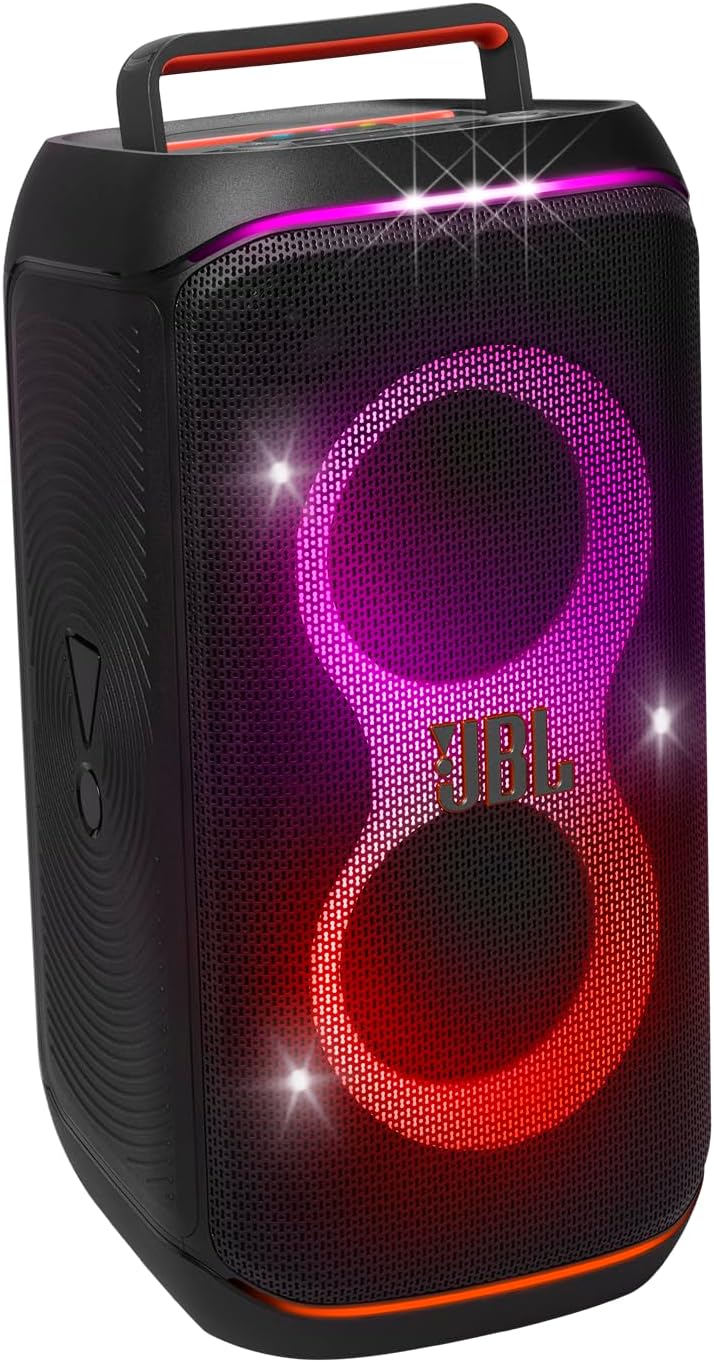
Music is a natural bridge between activities. A good playlist can keep the mood light while guests mingle, and if you are unsure about your sound setup, a guide to choosing a party speaker for home gatherings can help you get the volume and placement right.
For outdoor holiday gatherings or very large groups, you can display trivia questions on a screen so everyone can see them; an outdoor movie projector works well for this if you host outside. And when you want more ideas beyond icebreakers, the broader party entertainment section covers music, lighting, and other ways to keep guests engaged.
FAQ
What if some guests refuse to play?
Respect their choice without making it noticeable. A simple “No problem, you can watch” is enough. Many guests who decline at first will join later once they see how relaxed the game is.
How long should an icebreaker last?
Keep the active part of any icebreaker to a few rounds, roughly 10 to 15 minutes as a general rule of thumb. Once people are talking naturally, let the game end and let the party take over.
What are the best icebreakers for guests who do not know each other?
Name games and two truths and a lie are the most reliable choices. They require no supplies, give everyone a turn to speak, and naturally lead to follow-up conversations.
Can icebreakers work with a large group?
Yes, if you divide people into teams or use a scavenger hunt that gets everyone moving. Trivia also works well with large groups when guests answer in teams rather than as individuals.
Icebreaker games are a small addition to your holiday party that can make a big difference in how comfortable your guests feel. Choose one or two simple games, keep them optional, and let them do their job: helping everyone relax, connect, and enjoy the celebration.