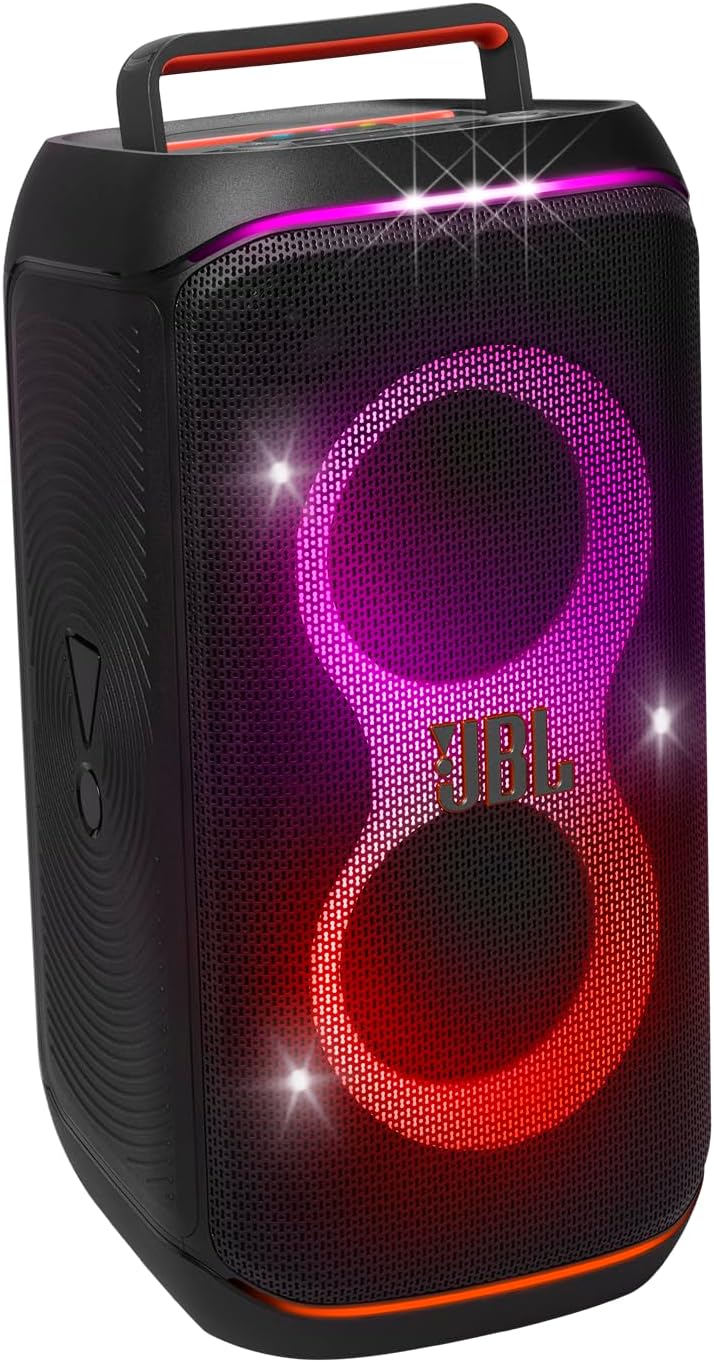
Choosing a party speaker for your home gathering means matching the speaker type to your space, your music style, and your guests. Whether you are hosting indoors or heading to the backyard, the right speaker delivers clear sound without technical headaches. This guide walks you through the key decisions: indoor versus outdoor use, battery versus plug-in power, water and dust resistance ratings, single versus multi-speaker setups, placement for even sound, a party playlist strategy, and keeping the volume considerate for your neighbors. By the end, you will know exactly which features matter for your next get-together.
Indoor or Outdoor
The first decision is where your party will happen. Indoor gatherings have walls, floors, and ceilings that reflect sound, while outdoor spaces offer open air that lets sound dissipate quickly. A speaker that works well in a living room may sound thin or quiet on a deck.
Indoor Considerations
Indoors, you generally do not need huge output power. A compact speaker with a balanced frequency range fills a typical living room or dining area. Hard surfaces like tile or wood floors reflect treble, while carpet and furniture absorb bass. Position the speaker away from corners to avoid boomy low-end. If the room is long and narrow, place the speaker at one end facing the middle of the gathering area. Indoors, you also have the option of a plug-in speaker that never runs out of battery.
Outdoor Considerations
Outdoor parties bring more challenges. Wind, ambient noise, and lack of reflective surfaces mean you need a speaker that can project sound forward. Look for a model with a higher maximum volume and a design that disperses sound widely. A portable battery-powered speaker is ideal for the patio or backyard because you can move it away from outlets. If you host outdoor gatherings often, a dedicated outdoor speaker with weather resistance is worth considering. For more tips on setting up sound in an outdoor setting, see our guide on how to host a backyard party.
| Consideration | Indoor Speaker | Outdoor Speaker |
|---|---|---|
| Volume requirement | Moderate; walls contain sound | Higher; sound disperses outdoors |
| Portability need | Optional; can be stationary | Important; flexible placement |
| Weather resistance | Not needed | Recommended for moisture and dust |
| Power source | Plug-in or battery | Battery preferred |
| Sound reflection | Reflections help fill the room | Open air; speaker must project |
Battery or Plug-In
Your choice between a battery-powered portable speaker and a plug-in model depends on where you set up and how long the party runs.
Battery-Powered Portable Speakers
Battery speakers let you move the music anywhere: from the kitchen to the patio, or from the living room to the backyard. They are ideal for parties that shift locations or for outdoor use where power outlets may be scarce. Most portable speakers now offer a long enough playback time for an evening party, but check the manufacturer’s estimated runtime. Some models allow you to keep the speaker plugged in while playing, which extends the session indefinitely. The trade-off is that battery-powered speakers often have smaller drivers and may not reach the same bass depth or maximum volume as a larger plug-in unit. For most home gatherings, a quality portable speaker provides plenty of sound. You can browse portable speakers that fit your budget and space.
Plug-In Speakers
Plug-in speakers never run out of power. They tend to be larger, with bigger amplifiers and woofers that deliver deeper bass and higher volume. If your party stays in one room and you have an outlet nearby, a plug-in speaker is a reliable choice. Many home stereo speakers or powered bookshelf speakers fall into this category. Some also include a battery backup option, giving you the best of both worlds. However, plug-in speakers limit placement to the length of the power cord, so plan your layout accordingly.
Water and Dust Resistance
If your party might move outdoors or involve drinks and spills near the music, water and dust resistance becomes important. Speaker manufacturers use an IP (Ingress Protection) rating to indicate how well the device resists solids and liquids. The rating consists of two digits: the first digit (0–6) covers dust protection, and the second (0–9) covers water protection. For most home party use, an IP rating of IPX5 or higher is sufficient. An IPX5 speaker can handle light rain and splashes from a hose. IPX7 means the speaker can be submerged in shallow water briefly. Dust protection (the first digit) matters if you use the speaker at a beach or in a dusty backyard. For outdoor parties near a pool or during drizzly weather, choose a speaker with at least IPX5. For indoor-only use, you may not need any water resistance, but it offers peace of mind against spills. When shopping, look for water-resistant speakers that match your outdoor plans.
One Speaker or Several
Many modern portable speakers allow you to pair two or more units together for stereo sound or to cover a larger area. This feature is called multi-speaker pairing or party mode, depending on the brand.
Single Speaker
A single quality speaker is enough for most indoor gatherings of up to about 15 people. It simplifies setup and avoids syncing issues. Choose a speaker with a wide sound dispersion so everyone in the room hears the music clearly.
Two or More Speakers
If your party spills into multiple rooms, or you want true stereo separation, pairing two identical speakers creates a wider soundstage. Some systems allow you to link more than two speakers to fill a large backyard or a long deck. Keep in mind that each extra speaker needs to be within wireless range of the source device (usually 30–50 feet with typical Bluetooth). Also, all speakers in the group should be the same model or at least from the same family for stable synchronization. Setup instructions vary by manufacturer, so follow the manual for pairing steps. Having multiple speakers also lets you place one near the food area and another near the seating zone, so the music level stays consistent.
Placement for Even Sound
Where you put the speaker affects how your guests experience the music. Even sound distribution prevents some guests from being blasted while others strain to hear.
General Placement Tips
- Place the speaker at ear level when people are seated or standing. Avoid putting it on the floor, which muffles sound.
- Keep the speaker away from walls and corners if you want to reduce excessive bass. A few feet from any wall is a good rule of thumb.
- For outdoor use, place the speaker on a table or sturdy surface, not directly on grass or gravel, which can block the ports.
- Aim the speaker toward the main gathering area, not toward an empty wall.
Multiple Speakers and Coverage
If you are using two speakers, place them at opposite ends of the party space or on the same side of the room facing the guests. Experiment with left and right placement to create a natural stereo effect. For outdoor parties, you can put one speaker near the food table and another near the seating area, or position them on each side of a patio. Always test the sound before guests arrive so you can adjust placement. If you plan to host a karaoke night at home, placement is even more critical: keep the speaker in front of the singer, pointed at the audience, to avoid feedback.
Playlist by Phase of the Party
The music should match the energy level of your gathering. A simple playlist structure with phases helps you transition smoothly from arrival to late night.
Phase 1: Arrival and Mingling
As guests arrive, keep the volume low enough for conversation. Play mellow background music with a steady tempo. Avoid songs with heavy bass or complex arrangements that demand attention. This phase lasts about the first 30–45 minutes.
Phase 2: Building Energy
Once everyone has arrived and is comfortable, gradually increase the volume and shift to upbeat but not overpowering tracks. This is the time for classic party anthems, feel-good pop, or danceable rock. The volume should be loud enough to create a lively atmosphere but still allow people to talk without shouting.
Phase 3: Peak Party
After dinner or when the main socializing shifts to dancing, push the volume higher and play high-energy tracks. This is the phase for bass-heavy songs, dance remixes, or crowd favorites. Monitor the volume so it stays within a comfortable range for the size of your space and the number of guests.
Phase 4: Wind-Down
As the party winds down, lower the volume and switch to slower, more relaxed music. This signals the end of the evening and helps guests transition to leaving. Play acoustic covers, soft classics, or ambient tracks. Keep this phase 30–60 minutes before the last guests head out.
Preparing a single long playlist with these phases ensures you do not have to fiddle with your phone during the party. You can also use the speaker’s built-in controls (if available) to skip or adjust volume.
Volume and Neighbors
Loud music can cause tension with neighbors, especially if your party runs late. Planning ahead keeps the gathering enjoyable for everyone.
Know Your Local Noise Rules
Many communities have quiet hours after 10 or 11 p.m. Check your local ordinances, and be aware of how far sound carries from your home. If your backyard is close to a neighbor’s fence, even moderate music might be intrusive.
Reduce Sound Leakage
Close windows and doors that face neighbor houses. For outdoor parties, point the speaker away from nearby homes. Placing the speaker on a soft surface (like a rug or a pad on the table) can absorb some vibrations. If you have a subwoofer, reduce its bass output at lower volumes; bass travels through walls more easily than midrange or treble.
Communicate in Advance
Let your neighbors know you are having a gathering and approximately when it will end. A short heads-up goes a long way. If they express concern, offer to keep the volume down after a certain hour. You can also invite them over, which turns a potential complaint into a positive connection.
Monitor the Volume
Check the volume from a neighbor’s perspective before the party gets loud. Walk to the property line and listen. If you can hear the music clearly, it is likely too loud for others. Keep a decibel meter app on your phone or simply use your ears. Many speakers have a maximum volume limit setting in the companion app that you can set ahead of time.
FAQ
Can I use a regular indoor speaker outside for one party?
You can, but be careful about moisture and direct sunlight. If it is a dry day and you keep the speaker under a covered porch, it should be fine. For any risk of rain or splashes, a speaker with an IPX rating offers better protection.
How do I pair two Bluetooth speakers together?
Most speaker brands have a dedicated app or button combination for pairing. You typically put both speakers into pairing mode and then link one to your phone, then add the second through the app. Check the manufacturer’s instructions for your specific model.
What IP rating should I look for if I host parties on a deck near a pool?
For poolside use, choose a speaker with at least IPX5 (resists water jets) or IPX7 (can be submerged briefly). Avoid bringing the speaker into the water unless it is rated for full submersion.
How can I stop notifications from interrupting the music on my phone?
Before the party starts, turn on Do Not Disturb on your phone. Airplane mode also works if your music is downloaded; turn Bluetooth back on afterward. Alternatively, use a music app that offers a party mode that blocks notifications from cutting in. Some speakers also have a built-in function to ignore phone alerts.
Selecting the right party speaker for your home gathering comes down to matching the speaker’s features to your specific event. Consider where you will place it, whether you need battery portability, and how to manage volume for your neighbors. With a well-chosen speaker and a thoughtfully phased playlist, your guests will enjoy clear, balanced music from the first hello to the last goodbye. Explore the links in this article for additional hosting tips, including karaoke setup advice and outdoor party planning.