Throwing a karaoke party at home means turning your living room into a stage where friends and family can belt out their favorite songs. Whether you are planning a holiday gathering, a birthday celebration, or just a fun weekend, karaoke brings people together through laughter, shared music, and a little bit of good-natured embarrassment. This guide covers everything from choosing your audio setup and arranging the room to building a song list and making sure everyone feels welcome to sing.
Choose Your Karaoke Setup
The first big decision is how you will display lyrics and play music. You have several good options depending on what gear you already own and how much you want to invest.
TV or Projector with Lyrics Videos
If you already have a smart TV or a projector and screen, you can stream karaoke videos directly from popular video-sharing platforms. Search for your favorite songs with the word “karaoke” added, and you will find countless lyric videos that show the words with a bouncing ball or color change. This approach costs nothing extra and gives you access to a huge library of songs. The downside is that you may need to skip ads or create a playlist ahead of time to keep the party flowing. A laptop connected to your TV via HDMI cable is another easy way to control the queue from your seat.
Dedicated Karaoke Machine
A dedicated machine combines a microphone, speaker, and sometimes a screen or built-in song library into one package. Karaoke machines range from simple all-in-one units to more powerful systems with multiple microphone inputs and vocal effects like echo and reverb. Many models let you connect a tablet or phone to stream songs, so you still have access to a wide selection. A dedicated machine simplifies setup because everything is in one box, and most units are designed to be portable enough to move from room to room.
Wireless Microphones and a Separate Speaker
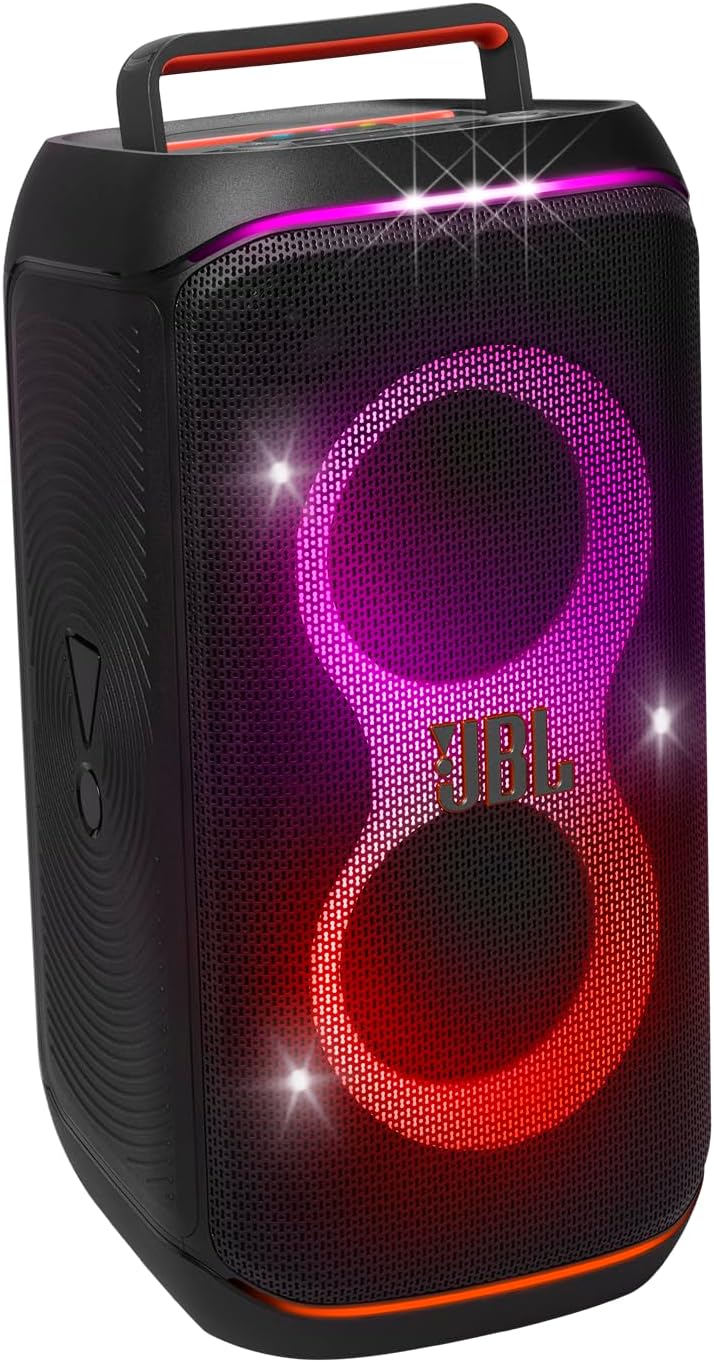
For better sound quality and flexibility, you can assemble your own system using a Bluetooth speaker and a set of wireless microphones. This option lets you control volume and mix levels separately, and you can choose a speaker with enough power for your room size. Wireless karaoke microphones connect to the same speaker via Bluetooth or a dedicated receiver, so there are no cables to trip over. You will still need a device such as a tablet or laptop to display lyrics and play the instrumental tracks. This setup works especially well if you already own a good speaker and just need to add microphones.
Microphones and Sound Quality
Good sound makes a karaoke night more enjoyable for both singers and listeners. Even the most enthusiastic performer will sound better with a microphone that captures their voice clearly and a speaker system that does not distort at higher volumes.
Wired vs. Wireless Microphones
Wired microphones are reliable and usually more affordable, and they do not require batteries or pairing. However, the cable can limit movement and create a tripping hazard, especially in a crowded room. Wireless microphones give singers the freedom to move around, dance, and interact with the audience. If you choose wireless, pick a set that operates on a dedicated UHF frequency rather than simple Bluetooth to avoid audio delay. Check the manufacturer’s instructions for setup and battery life so you are not caught off guard mid-song.
Speaker Placement
Place your speaker or karaoke machine at ear level for the audience, angled slightly upward if it is on the floor. Avoid putting the speaker directly behind the singer, as this can cause feedback that screeches through the room. A good rule of thumb is to position the speaker in front of the performer, pointing toward the listeners. If your system has separate microphone and music volume controls, set the music level high enough for everyone to hear the beat but low enough that singers can hear themselves. Do a quick sound check before guests arrive to find a comfortable balance.
Room Layout for Singing and Socializing
How you arrange your furniture and define spaces affects the energy of the party. A well-planned layout encourages more people to sing and keeps the non-singers engaged as a supportive audience.
Define a Stage Area
Create a clear performance zone in front of the TV or screen. This area should have enough room for one or two people to stand comfortably without bumping into furniture. Remove coffee tables or low stools that could block the view. Place the screen at eye level so singers can read lyrics without straining their necks. If you are using a laptop, set it on a sturdy table or stack of books to bring it to the right height.
Seating for the Audience
Arrange chairs, sofas, and floor cushions in a semicircle facing the stage area. This layout creates an intimate atmosphere that feels like a small concert. Leave a clear path between the seating and the stage so singers can walk up without squeezing past guests. You might also set up a small table or counter near the entrance for drinks and snacks, keeping them away from the electronics.
Lighting for Mood and Readability
Dim the main overhead lights and use floor lamps or string lights to create a cozy, club-like vibe. However, make sure the screen with the lyrics remains bright and easy to read. Avoid placing a lamp directly next to the screen, as glare can wash out the text. A strand of fairy lights along the back wall or a spotlight pointed at the stage area adds flair without making the lyrics hard to see.
Keeping the Peace with Neighbors
Karaoke is loud by nature, and a thoughtful approach to volume and timing can prevent complaints and keep your party fun for everyone in the building or neighborhood.
Know Your Local Quiet Hours
Many towns and cities have noise ordinances that restrict loud music after a certain time in the evening. Check your local regulations so you know when you need to lower the volume or end the singing portion of the night. If you live in an apartment or a row house, consider moving the party to an earlier start time and wrapping up the main karaoke session before quiet hours begin. You can always transition to a quieter activity, such as board games or a movie, for the late part of the evening.
Reduce Sound Transmission
Close windows and doors to contain the sound as much as possible. Hang heavy curtains or blankets on walls that face neighboring units to absorb some of the noise. If your speaker has a bass control, dial it back, because low frequencies travel through walls more easily than higher tones. Place the speaker on a rug or carpet rather than directly on a hard floor to reduce vibration. If you have an upstairs neighbor, moving the party to the ground floor can significantly reduce noise impact.
Give Neighbors a Heads-Up
A friendly note slipped under the door or a quick conversation a day or two before your party can work wonders. Let neighbors know you will be hosting a karaoke evening, what time you expect it to end, and your phone number in case the volume gets too high. Most people appreciate the courtesy and will be more understanding if they hear music later in the evening.
Building a Song List and Sign-Up System
A well-curated song list keeps the energy high and prevents awkward lulls when no one knows what to sing. A simple sign-up system ensures everyone gets a turn without chaos.
Create a Crowd-Pleasing List
Focus on songs that are familiar, upbeat, and easy to sing along with. Classic rock anthems, pop hits from recent decades, and show tunes tend to get the best reaction. Include a mix of genres so guests with different tastes can find something they love. Aim for a list of 20 to 30 songs to start, and let guests add their own choices throughout the night. Avoid songs that are very long, have complex melodies, or rely on a specific vocal range that might frustrate casual singers.
Set Up a Sign-Up System
A sign-up sheet placed near the screen or a shared digital document on a tablet works well for keeping the queue organized. Write the song title and the singer’s name, and cross off each performance as it happens. If you are using a laptop to play music, you can create a shared note or a simple spreadsheet that everyone can edit from their phone. Keep the order flexible so friends who want to sing together can group their turns. One person should act as the host or DJ to queue songs and keep the evening moving.
| Song Type | Examples You Might Include | Best For |
|---|---|---|
| Group sing-alongs | “Sweet Caroline,” “Don’t Stop Believin’” | Getting everyone involved |
| Duets | “I Got You Babe,” “Ain’t No Mountain High Enough” | Shy guests and pairs |
| Solo showstoppers | “Bohemian Rhapsody,” “Rolling in the Deep” | Confident singers |
| Kids’ favorites | “Let It Go,” “Happy” | Children and family groups |
Making Shy Guests Comfortable
Not everyone will jump at the chance to grab a microphone. A few thoughtful strategies can help even the most reluctant guests enjoy the evening, whether they sing or simply cheer from the crowd.
Start with Group Songs
Kick off the night with a song that everyone knows and can sing together from their seats. Tracks like “Livin’ on a Prayer” or “Hey Jude” invite the whole room to join in on the chorus without anyone feeling singled out. After a few group numbers, individuals may feel more comfortable stepping up to take a verse or a solo.
Offer Duets and Trios
No one has to sing alone. Encourage friends to pair up for duets, which share the spotlight and reduce pressure. You can also let small groups of three or four people perform a song together, each taking a line or a section. This approach works especially well for shy guests who might agree to sing if a friend is beside them.
Provide Non-Singing Roles
Some guests genuinely do not want to sing, and that is fine. Give them an important job such as being the DJ, managing the playlist, holding the sign-up sheet, or being the official cheerleader who leads applause and laughs. You can also set out a few noisemakers like tambourines or shakers so audience members can participate without a microphone. If you have other party activities available, such as the party games for holiday gatherings listed on this site, consider rotating between karaoke and games so non-singers have something else to enjoy.
Keep the Atmosphere Positive
Establish a rule that everyone applauds after every song, no matter how off-key. Lighthearted encouragement from the host goes a long way. Avoid teasing or singling out anyone who hits a wrong note. The goal is laughter and connection, not a professional performance. If the birthday person is the guest of honor, a karaoke night can be a highlight of your birthday party at home, but let them decide whether they want to sing or just enjoy the show.
FAQ
Do I need a karaoke machine, or can I use my TV and a speaker?
You do not need a dedicated machine. A TV or projector with lyric videos from a streaming service, combined with a Bluetooth speaker and wireless microphones, works great. Many people prefer this setup because it offers more flexibility and often better sound quality than an all-in-one unit.
How do I prevent microphone feedback during the party?
Keep the microphones behind the speaker, not in front of it. Reduce the microphone volume slightly if you hear a high-pitched squeal. Placing the speaker on a surface higher than the floor can also help. Do a sound check before guests arrive to find a volume level that avoids feedback.
What if my neighbors complain about the noise?
Stop the music and apologize. Lower the volume, close windows, and consider moving the party to a room farther from shared walls. For future parties, leave a note with your contact information a day ahead so neighbors can reach you directly if the noise bothers them. Most complaints are easily resolved with a little courtesy.
How can I include children in the karaoke fun?
Choose kid-friendly songs from popular animated movies or family pop hits. Let children use a separate microphone with a lower volume setting so their voices do not overwhelm the room. You can also have a designated early time slot for kids before the adult party gets going, so everyone gets a turn.
Hosting a karaoke night at home is about creating a welcoming space where everyone can laugh, cheer, and maybe discover a hidden talent. With the right setup, a thoughtful song list, and a few strategies to include shy guests, your party will be a hit. Whether you pair karaoke with other activities or let the singing take center stage, the memories you make will last long after the last note fades.