Grilling for a party is one of the most relaxed ways to feed a crowd, but it only feels relaxed when the plan is solid. The key is choosing foods that cook quickly, preparing as much as you can in advance, and following a few non-negotiable food safety steps. This guide walks you through menu planning, quantity estimates, prep strategies, grill setup, temperature checks, and safe serving so you can spend more time with guests and less time worrying.
Plan a grill-friendly menu
The best grill menu for a crowd balances speed, variety, and appetite. You want items that cook in roughly the same time or that can be grouped by heat zone, so you are not juggling wildly different cook times. Think about what people actually like and what holds up well if it sits for a few minutes before serving.
Good fast-cooking options include:
- Boneless chicken thighs or breasts (pounded to even thickness)
- Beef steaks like sirloin, flank, or skirt (thin cuts cook quickly)
- Pork chops or tenderloin medallions
- Shrimp skewers or salmon fillets
- Vegetable skewers, halved zucchini, bell peppers, and mushrooms
- Pre-cooked sausages or hot dogs (just need to be heated through)
- Flatbreads or tortillas warmed briefly on the grill
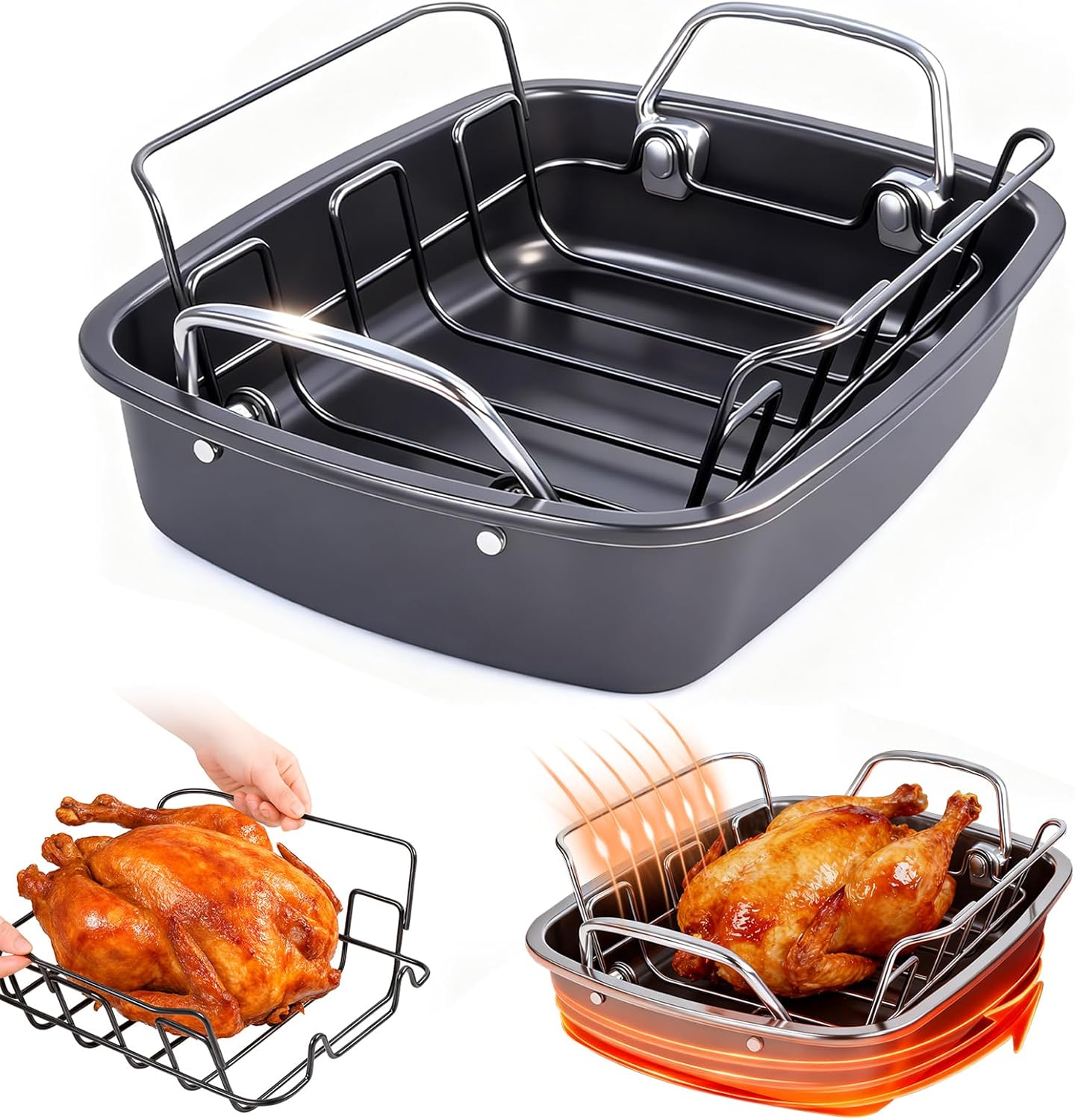
Avoid large roasts or whole chickens for a big group unless you have multiple grills or a very long window. Those items take much longer and can hold up the whole meal. Instead, choose cuts that cook in under 15 minutes so you can keep a steady flow of food coming off the grill.
Plan one protein and one or two vegetables, plus a starch that does not need the grill, like a pasta salad, coleslaw, or bread. That way, if the grill gets backed up, guests still have plenty to eat. You might also consider a build-your-own taco or burger bar, which lets people customize and keeps serving simple.
If you are hosting around a summer holiday, you can find more ideas in this guide on how to host a 4th of July party, but the principles apply to any gathering.
How much to buy
Estimating quantities is one of the most practical parts of planning. A common rule of thumb is about half a pound of boneless raw meat per adult when it is the main dish. Bone-in cuts like chicken thighs or ribs yield fewer servings because the bone adds weight.
Use these general guidelines as a starting point:
| Protein | Raw amount per adult | Notes |
|---|---|---|
| Boneless chicken breast or thighs | 1/2 to 3/4 pound | Pound to even thickness for faster cooking |
| Steaks (sirloin, flank, skirt) | 1/2 to 3/4 pound | Thin cuts cook fast and slice well |
| Pork chops or tenderloin | 1/2 to 3/4 pound | Trim excess fat to reduce flare-ups |
| Shrimp (shell-on) | 1/3 to 1/2 pound | Skewers make them easy to handle |
| Salmon fillets | 1/3 to 1/2 pound | Cook skin-side down first |
| Sausages or hot dogs | 1 to 2 links | Pre-cooked ones just need reheating |
| Vegetables | 1/2 to 1 cup cooked | Skewers or grill baskets work well |
For a mixed crowd with kids, reduce the per-person estimate slightly. For a group of heavy eaters or if you want leftovers, increase it. It is better to have a little extra than to run out, but you also do not want mountains of food that go to waste. If you are unsure, aim for the higher end of the range and plan to send leftovers home with guests in containers.
Prep ahead
The more you do before guests arrive, the calmer the cooking will be. Most marinades, rubs, and vegetable prep can be done hours ahead. Here is a sensible order of operations:
The day before
- Trim meat and cut it into serving portions
- Make marinades or dry rubs and coat the meat
- Cut vegetables and store them in airtight containers
- Assemble skewers and keep them covered in the refrigerator
- Make sauces, salsas, or compound butters
- Set out serving platters, tongs, and a cooler for drinks
A few hours before
- Keep meat in the refrigerator or a well-iced cooler until it goes on the grill
- Preheat the grill so it is ready when you are
- Set up a clean work station with a cutting board and platters
- Fill a spray bottle with water to tame flare-ups
Right before serving
- Have a clean platter ready for cooked food
- Keep sauces and sides at the table or on a buffet
- Assign someone to watch the grill while you greet guests
If you are serving buffet-style, you can find guidance on keeping buffet food hot and safe so your grilled items stay at a safe temperature throughout the meal.
Set up grill zones
Grill zones are the difference between burnt food and perfectly cooked food. The idea is simple: create areas of different heat on the same grill so you can sear, cook, and keep food warm without overcooking.
For a gas grill, turn one side to high and the other to medium or low. For a charcoal grill, push the hot coals to one side, leaving the other side with fewer coals or none at all. This gives you a direct heat zone for searing and an indirect heat zone for slower cooking or keeping food warm.
Here is how to use the zones:
- Sear zone (high heat): Use this for steaks, chicken thighs, and vegetables that need a quick char. Sear for a few minutes per side, then move to the cooler side to finish cooking if needed.
- Cooking zone (medium heat): This is where most food finishes. It is also good for thicker cuts that need more time without burning.
- Warming zone (low or no heat): Move cooked food here to stay warm while other items finish. This is especially useful for sausages or chicken that need to rest before serving.
Having a warming zone also helps you manage a crowd. You can cook in batches, move finished food to the warm side, and serve it all at once instead of in a rushed scramble. Just remember that food should not sit in the warm zone for more than a short time before serving, and you should check its temperature with a thermometer to make sure it stays above the safe minimum.
Use a thermometer
A meat thermometer is the only reliable way to know when food is safe to eat. Color and texture are not accurate indicators. The United States Department of Agriculture (USDA) publishes safe minimum internal temperatures that you should follow every time you grill.
Here are the key temperatures to remember:
- Beef, pork, lamb steaks, chops, and roasts: 145°F, then let rest for 3 minutes
- Ground meat (beef, pork, lamb): 160°F
- All poultry (chicken, turkey, including ground): 165°F
- Fish: 145°F or until flesh is opaque and flakes easily
You can find the full USDA safe minimum internal temperatures chart for reference. Insert the thermometer into the thickest part of the meat, avoiding bone and fat. For thin cuts, insert from the side so the probe stays in the meat.
An instant-read thermometer is the most practical tool for grilling because it gives a reading in seconds. A good one is worth the small investment. Look for a model with a thin probe and a fast response time. You can also use a leave-in probe thermometer for larger cuts, but for most crowd grilling, an instant-read model is all you need.
Remember the rest time. After you take meat off the grill, let it rest for at least 3 minutes before slicing. This allows the temperature to even out and the juices to redistribute. The temperature may rise a few degrees during rest, which is normal and safe.
Raw vs cooked plates
Cross-contamination is one of the most common causes of foodborne illness at a cookout. The rule is simple: never use the same plate, cutting board, or tongs for raw and cooked food.
Here is how to keep things straight:
- Use one platter to carry raw meat to the grill and a different clean platter to bring cooked food back inside.
- Have separate tongs or a spatula for raw and cooked items; a grill tool set usually includes both. If you use the same tool, wash it thoroughly with soap and hot water between uses.
- Do not put cooked food back on the plate that held raw meat, even if it looks clean.
- Wash your hands with soap and water after handling raw meat, and remind anyone helping you to do the same.
- Keep raw meat juices away from salads, bread, and other ready-to-eat foods.
If you are cooking in batches, set up a system: raw platter on one side of the grill, cooked platter on the other. Label them with a piece of tape if you need to. This is especially important when multiple people are helping, because it is easy to lose track of which plate is which.
You can also use disposable aluminum pans for raw meat and washable platters for cooked food. Just make sure the cooked platter is clean and dry before you use it.
Grill safety
Grill safety goes beyond food handling. Where you place the grill and how you manage it matters for your home and your guests.
Follow these basic rules:
- Place the grill well away from your house, deck railings, and overhanging branches.
- Keep the grill on a flat, stable surface, never on a wooden deck unless it is designed for that use.
- Keep kids and pets at least 3 feet away from the grill at all times. Create a safe zone with a chalk line or a physical barrier.
- Never leave a lit grill unattended.
- Keep a spray bottle of water nearby to control flare-ups, and have a fire extinguisher or baking soda within reach.
- Check gas hoses for cracks or leaks before you light a gas grill. If you smell gas while cooking, turn off the grill and the tank immediately.
- For charcoal grills, use only lighter fluid designed for that purpose, and never add it to hot coals.
If you use an electric grill or have electrical connections near your outdoor cooking area, review NFPA electrical safety guidance to make sure your setup is safe.
After cooking, let the grill cool completely before covering it or moving it. Dispose of charcoal ash in a metal container with a lid, and never put it in a plastic trash can or near combustible materials.
Keeping food safe during serving
Once food comes off the grill, keep it out of the danger zone between 40°F and 140°F, where bacteria multiply quickly. The USDA recommends keeping hot food at 140°F or above and cold food at 40°F or below. You can read more about the USDA danger zone guidance to understand the risks.
For a buffet, use chafing dishes, slow cookers, or warming trays to keep grilled items hot. If you do not have those, serve in smaller batches and replenish from the grill or oven. Do not let food sit out for more than 2 hours total, or 1 hour if the outdoor temperature is above 90°F.
Leftovers should be refrigerated promptly in shallow containers. You can find more on USDA leftovers and food safety to make sure you store them correctly. Reheat leftovers to 165°F before eating.
FAQ
How long can grilled food sit out?
Perishable food should not sit at room temperature for more than 2 hours, or 1 hour if it is above 90°F outside. After that, refrigerate or discard it.
Can I cook chicken and steak on the same grill?
Yes, but use separate zones and separate tongs. Cook chicken to 165°F and steak to 145°F with a 3-minute rest. Keep raw and cooked items on different plates.
What is the best way to keep grilled food warm?
Use the warming zone on your grill, a chafing dish, or a slow cooker set to low. Check with a thermometer that it stays at 140°F or above.
Do I need to wash vegetables before grilling?
Yes, rinse fresh vegetables under running water and pat them dry before cutting or skewering. This removes dirt and reduces the risk of contamination.
Grilling for a crowd is about preparation and attention to detail. Choose foods that cook quickly, buy the right amounts, prep ahead, and set up your grill with zones. Use a thermometer every time, keep raw and cooked food separate, and follow basic grill safety. With these steps, you can host a relaxed and safe outdoor meal that everyone will enjoy.